Blog Posts
Ephedrine Active Pharmaceutical Ingredient Explained
Oct
A label that says ephedrine active pharmaceutical ingredient is not a promise that a powder is safe, correctly identified, or lawful to use. Ephedrine is a potent sympathomimetic drug substance with legitimate medical history and tightly controlled supply requirements. For serious buyers, healthcare professionals, and procurement teams, the real question is not simply whether material is described as pharmaceutical grade. It is whether its identity, quality documentation, chain of custody, and intended use can withstand scrutiny.
That distinction matters because ephedrine can affect heart rate, blood pressure, and the central nervous system. It is also regulated in many jurisdictions because of its diversion risk. A professional standard starts with verified compliance and patient safety, not a marketing claim or an attractive bulk price.
What an Ephedrine Active Pharmaceutical Ingredient Is
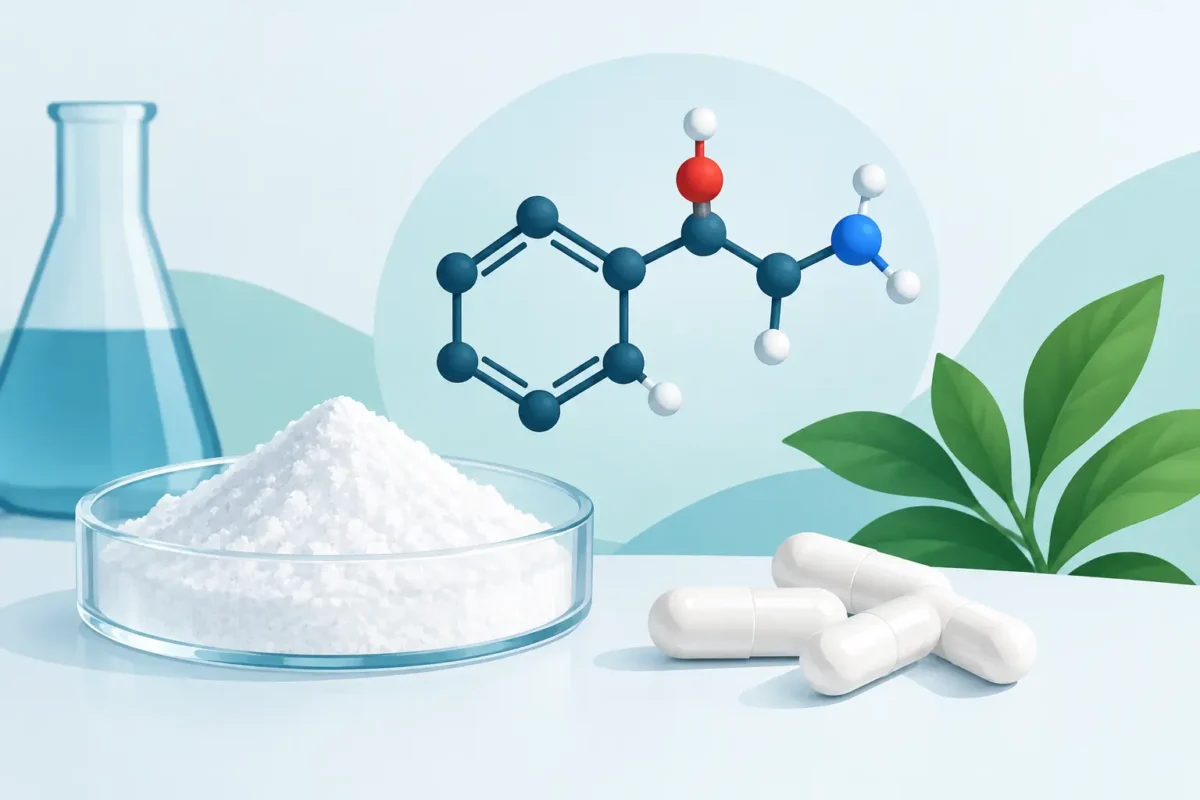
An active pharmaceutical ingredient, or API, is the chemical substance responsible for a medicine’s intended pharmacological effect. In an approved finished product, ephedrine API is only one part of a controlled system that also includes formulation, manufacturing practices, labeling, packaging, release testing, and medical oversight.
Ephedrine has been used in clinical settings for specific indications, including management of low blood pressure in certain circumstances. Its effects are dose-dependent and can vary considerably between people. That is why an API should never be confused with a ready-to-use consumer product. A raw drug substance is not automatically suitable for self-administration, compounding, or any other use outside the applicable legal and professional framework.
The phrase “pharmaceutical grade” can be meaningful only when it is supported by evidence. Identity testing, assay results, impurity limits, residual solvent controls, microbiological controls where relevant, and documented manufacturing conditions are part of the picture. A seller’s wording alone is not a substitute for authenticated records or regulatory authorization.
Quality Is More Than a Purity Percentage
Purity is an important analytical specification, but it is not the whole quality story. A high assay result may indicate the proportion of a target compound in a tested sample, yet it does not answer every critical question: Was the sample representative of the lot? Was the identity independently verified? What impurities were screened for? Has the material been stored and transported under appropriate conditions?
For ephedrine API, a credible quality program typically addresses the following areas:
- Confirmed chemical identity using suitable validated analytical methods
- Assay and related-substance testing against defined specifications
- Batch-level documentation, traceability, and controlled change records
- Packaging integrity and conditions that help prevent mix-ups or contamination
- Clear procedures for complaints, deviations, recalls, and disposal
These controls are not bureaucratic extras. A white crystalline powder cannot be authenticated by appearance, odor, or informal claims. Materials that look similar can have very different compositions, strengths, and risks. Relying on visual inspection is unsafe and professionally indefensible.
Why lot documentation matters
A certificate of analysis can be useful, but it should be treated as one element of verification rather than a final answer. The document should correspond to the specific lot, list relevant test methods and results, identify the issuing quality function, and be consistent with the product’s declared specifications. Missing dates, vague results, altered formatting, or records that cannot be traced back to a legitimate manufacturer are reasons to stop and investigate.
For regulated materials, chain of custody matters just as much. A document cannot correct a product that has been repackaged, substituted, improperly stored, or diverted after it left a controlled distribution channel. Legitimate supply depends on traceability from manufacture through delivery to an authorized end user.
Ephedrine API Is a Regulatory Responsibility
Ephedrine is subject to federal and state controls in the United States, and requirements may differ substantially in other countries. Rules can cover manufacturing, import and export, distribution, recordkeeping, customer verification, reporting, and possession. Certain transactions may require registrations, permits, or other authorization.
This is not an area where assumptions are safe. A product may be lawful for an authorized manufacturer, pharmacy, hospital, or research organization under defined conditions while being prohibited for an individual buyer or a different type of business. Cross-border movement adds another layer of risk because the origin country, transit locations, and destination country may all impose separate restrictions.
Privacy does not remove those obligations. Responsible handling of sensitive commercial information is reasonable, but confidentiality must never be presented as a replacement for licensing, transparent documentation, or legal compliance. Any supplier or purchaser that treats verification as an inconvenience is creating risk for everyone in the supply chain.
The Medical Risk Cannot Be Separated From the Material
Ephedrine can cause serious adverse effects, particularly in people with cardiovascular disease, high blood pressure, thyroid disorders, glaucoma, diabetes, anxiety conditions, or sensitivity to stimulants. Possible effects include palpitations, elevated blood pressure, tremor, agitation, insomnia, headache, nausea, and chest discomfort. Severe reactions can include dangerous cardiac events, seizures, or psychiatric symptoms.
Risk also changes when ephedrine is combined with other substances. Interactions may occur with prescription medications, over-the-counter cold remedies, caffeine-containing products, certain antidepressants, and other stimulants. Alcohol and recreational drugs can further complicate the clinical picture. This is why product decisions should be made through qualified medical and regulatory channels rather than informal advice.
Dependence and misuse are also real concerns. Repeated stimulant exposure can encourage escalating use, sleep disruption, anxiety, and impaired judgment. If someone experiences chest pain, fainting, severe shortness of breath, confusion, seizures, or a suspected overdose, emergency medical services should be contacted immediately. Do not attempt to manage a serious reaction with online instructions or more substances.
What Responsible Procurement Looks Like
For organizations with a legitimate, authorized need, procurement should begin with qualification rather than convenience. Confirm the legal status of the material and the organization’s authority to obtain it before discussing commercial terms. Review the supplier’s credentials, quality systems, batch documentation, and ability to meet applicable shipping and recordkeeping requirements.
A responsible buyer also defines acceptance criteria before receiving material. This includes how lots are identified, what documentation must accompany them, who can receive them, how discrepancies are escalated, and when independent testing is required. The appropriate level of verification depends on the intended regulated use, the supplier relationship, the jurisdiction, and the risk classification of the material.
Storage and access should follow the product documentation, facility procedures, and legal controls. Material should remain clearly labeled, protected from unauthorized access, and segregated from incompatible or unidentified substances. Improvised repackaging, unlabeled containers, and casual sharing are unacceptable practices with any potent regulated drug substance.
Questions That Separate Evidence From Advertising
Before accepting claims about ephedrine API, ask direct questions. Is there a verified legal basis for the transaction? Can the supplier provide lot-specific documentation through legitimate channels? Are the manufacturer, distributor, and shipment records traceable? Does the proposed use fall within applicable regulations and professional oversight?
The answers may not always be simple, particularly for international supply chains. But uncertainty is not a reason to lower the standard. It is a reason to pause the transaction, obtain qualified regulatory advice, and verify every critical detail.
The strongest safeguard around ephedrine is a disciplined decision process: use authorized channels, demand documentation that can be verified, involve qualified professionals, and treat any unexplained gap in identity, quality, or legality as a reason not to proceed.
