
Blog Posts
How the Ephedrine Mechanism of Action Works
Aug
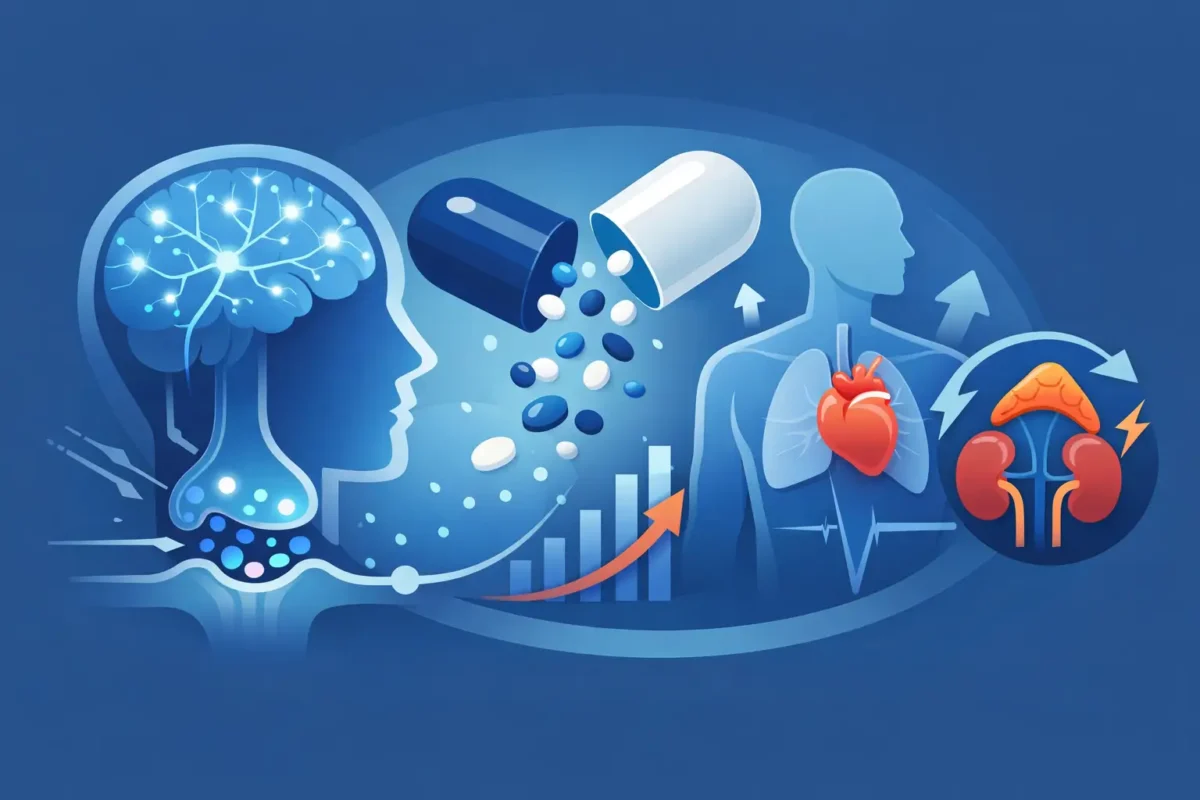
Ephedrine does not act like a simple energy ingredient. The ephedrine mechanism of action activates the body’s sympathetic nervous system, the network responsible for rapid responses such as a faster pulse, wider airways, and increased alertness. Those effects can be medically useful in specific settings, but they also explain why ephedrine has meaningful cardiovascular, neurologic, and drug-interaction risks. ephedrine mechanism of action
For anyone reviewing ephedrine HCl, understanding the mechanism matters more than relying on broad claims about potency. The same stimulant action that may raise blood pressure in a monitored clinical setting can be unsafe for a person with hypertension, heart disease, anxiety, glaucoma, thyroid disease, or certain medication combinations. ephedrine mechanism of action
Ephedrine Mechanism of Action: A Mixed Sympathomimetic
Ephedrine is classified as a mixed-acting sympathomimetic. In plain terms, it increases adrenergic activity in two ways at once. It can directly stimulate some alpha and beta adrenergic receptors, and it can indirectly encourage nerve terminals to release norepinephrine. ephedrine mechanism of action
Norepinephrine is one of the body’s primary chemical messengers for sympathetic activity. When its signaling increases, blood vessels may constrict, the heart may beat faster or more forcefully, and airway smooth muscle may relax. The exact balance of effects depends on the person, the amount present, route of administration, other substances in the body, and underlying health conditions. ephedrine mechanism of action
The indirect component is especially relevant. Ephedrine enters sympathetic nerve terminals and promotes norepinephrine release from stored reserves. That released norepinephrine then acts on adrenergic receptors throughout the body. Repeated exposure may produce less of the expected response over time because readily available norepinephrine stores can become depleted. This reduced response is called tachyphylaxis. ephedrine mechanism of action
That detail separates ephedrine from medicines that act mainly by binding directly to a receptor. A person cannot assume that a stronger amount will reliably overcome a weakening response. Increasing exposure can raise adverse-effect risk without producing a predictable benefit.
Alpha receptor effects
Alpha-1 receptor stimulation causes vascular smooth muscle to tighten. In practice, this can increase peripheral vascular resistance and support blood pressure. This is one reason ephedrine has been used in closely supervised clinical care for certain episodes of low blood pressure, including hypotension associated with anesthesia. ephedrine mechanism of action
The trade-off is straightforward: blood-pressure support can become excessive. Vasoconstriction may be concerning for people with uncontrolled hypertension, vascular disease, or conditions where increased cardiac workload presents a risk.
Beta receptor effects
Beta-1 receptor activity affects the heart. It can increase heart rate and contractility, which may contribute to a rise in cardiac output. Some people experience noticeable palpitations, tremor, or a racing heartbeat even at exposures that others tolerate differently. ephedrine mechanism of action
Beta-2 receptor activity relaxes smooth muscle in the airways. Historically, ephedrine was used for bronchospasm because this action may promote bronchodilation. It is not a substitute for individualized respiratory care, and modern treatment choices often favor medications with more targeted effects and established supervision protocols.
What Ephedrine Does in the Body
The effects of ephedrine can begin with sympathetic stimulation and extend across several systems. Common acute effects may include increased wakefulness, reduced fatigue perception, tremor, sweating, dry mouth, appetite changes, insomnia, and nervousness. Cardiovascular effects can include increased blood pressure, increased pulse, palpitations, and, in susceptible individuals, irregular heart rhythm. ephedrine mechanism of action
Ephedrine can cross into the central nervous system to a degree, so its effects are not limited to blood vessels and airways. Restlessness, irritability, anxiety, and sleep disruption are possible. A stimulant effect may feel desirable to one individual and unpleasant or dangerous to another. Prior tolerance to caffeine does not reliably predict a person’s reaction to ephedrine.
The compound is eliminated substantially through the kidneys, and urinary pH can influence how quickly it leaves the body. That is another reason responses can vary. Health status, hydration, kidney function, and concurrent medications can all affect the practical result. ephedrine mechanism of action
Why Effects Can Be Unpredictable
The ephedrine mechanism of action depends partly on norepinephrine release, not only direct receptor stimulation. As a result, the response is influenced by the condition of the sympathetic nervous system at the time of exposure. Fatigue, stress, stimulant tolerance, medication use, and repeated dosing can change the outcome. ephedrine mechanism of action
Individual risk also varies sharply. Someone with no diagnosed heart condition can still experience a major rise in pulse or blood pressure. People with known cardiovascular disease, arrhythmias, prior stroke, panic disorder, enlarged prostate, hyperthyroidism, or narrow-angle glaucoma may face additional concerns.
Product identity and concentration matter as well. Chemical names, salts, and labels are not interchangeable proof of quality, purity, or suitability. In health contexts, a claimed pharmaceutical grade standard is not a replacement for lawful dispensing, verified manufacturing controls, clinical review, and appropriate labeling. ephedrine mechanism of action
Interactions That Raise the Risk
Combining sympathomimetic substances can amplify the effects that make ephedrine risky. Caffeine, nicotine, prescription stimulants, some decongestants, and certain pre-workout products may increase jitteriness, blood pressure, and heart-rate effects. The concern is not limited to products marketed as stimulants. Some cold, allergy, and attention medications may also affect adrenergic signaling. ephedrine mechanism of action
Monoamine oxidase inhibitors, commonly called MAOIs, are a particularly serious consideration because they can alter the handling of catecholamines such as norepinephrine. A dangerous hypertensive response is possible with certain combinations. Some antidepressants, blood-pressure medicines, anesthetic agents, and medications that affect heart rhythm also warrant professional review.
Alcohol is not a protective counterbalance. It can impair judgment while potentially masking how unwell a person feels. Combining alcohol with stimulants may increase the chance that warning symptoms are ignored. ephedrine mechanism of action
Medical Context and Regulatory Reality
Ephedrine has recognized medical uses in carefully defined settings, especially when clinicians need to manage low blood pressure. That context includes patient assessment, known concentration, controlled administration, and monitoring of heart rate, blood pressure, and response.
Outside supervised care, the risk-benefit picture changes. In the United States, ephedrine-containing products and precursor chemicals are subject to federal and state controls. Rules differ by formulation, intended use, and jurisdiction. Restrictions affecting sale, possession, importation, or distribution may apply, and cross-border shipping does not remove those obligations. ephedrine mechanism of action
Ephedrine should not be confused with pseudoephedrine. Both are sympathomimetic compounds and may share some decongestant-related effects, but they differ in pharmacology, central nervous system activity, regulation, and clinical use. Neither should be treated casually because it is sold under a familiar chemical name.
Warning Signs That Need Prompt Care
Severe chest pain, fainting, marked shortness of breath, a sustained irregular heartbeat, severe headache, confusion, weakness on one side of the body, seizures, or extreme agitation require urgent medical evaluation. These can signal cardiovascular or neurologic complications rather than a normal stimulant effect. ephedrine mechanism of action
Less dramatic symptoms also deserve attention when they are new, persistent, or worsening. Repeated palpitations, insomnia, panic, escalating use, or feeling unable to function without a stimulant are reasons to speak with a licensed clinician. Stimulant-related harm often builds through repeated smaller decisions, not only one obvious emergency.
The practical question is not simply whether ephedrine can produce alertness or raise blood pressure. It is whether its mixed adrenergic effects are appropriate for a particular person, medical purpose, and legal clinical setting. That judgment is safest when made with a qualified health professional who can account for medications, history, and real-time cardiovascular risk. ephedrine mechanism of action

Pingback: What Is Ephedrine? Effects, Risks, and Legal Status - Ephedrine Powder For Sale