
Blog Posts
Ephedrine Adverse Effects Risks You Should Know
Aug
A racing heartbeat is not a sign that ephedrine is “working better.” It can be an early warning that the body is under more stimulant stress than it can safely handle. Understanding ephedrine adverse effects risks matters for anyone considering, using, or being exposed to this potent sympathomimetic stimulant. ephedrine adverse effects risks
Ephedrine has legitimate medical uses in carefully controlled clinical settings, including treatment of certain low-blood-pressure situations. Outside that setting, the margin between a noticeable stimulant effect and an unsafe reaction can be narrower than many people expect. Individual sensitivity, underlying health conditions, other substances, and uncertain product strength can all change the risk quickly. ephedrine adverse effects risks
Ephedrine Adverse Effects Risks: What Happens in the Body
Ephedrine stimulates the sympathetic nervous system, often called the body’s fight-or-flight response. It can increase heart rate, raise blood pressure, open airways, and create feelings of alertness or restlessness. Those effects explain why some people seek it out, but they also explain the main safety concerns. ephedrine adverse effects risks
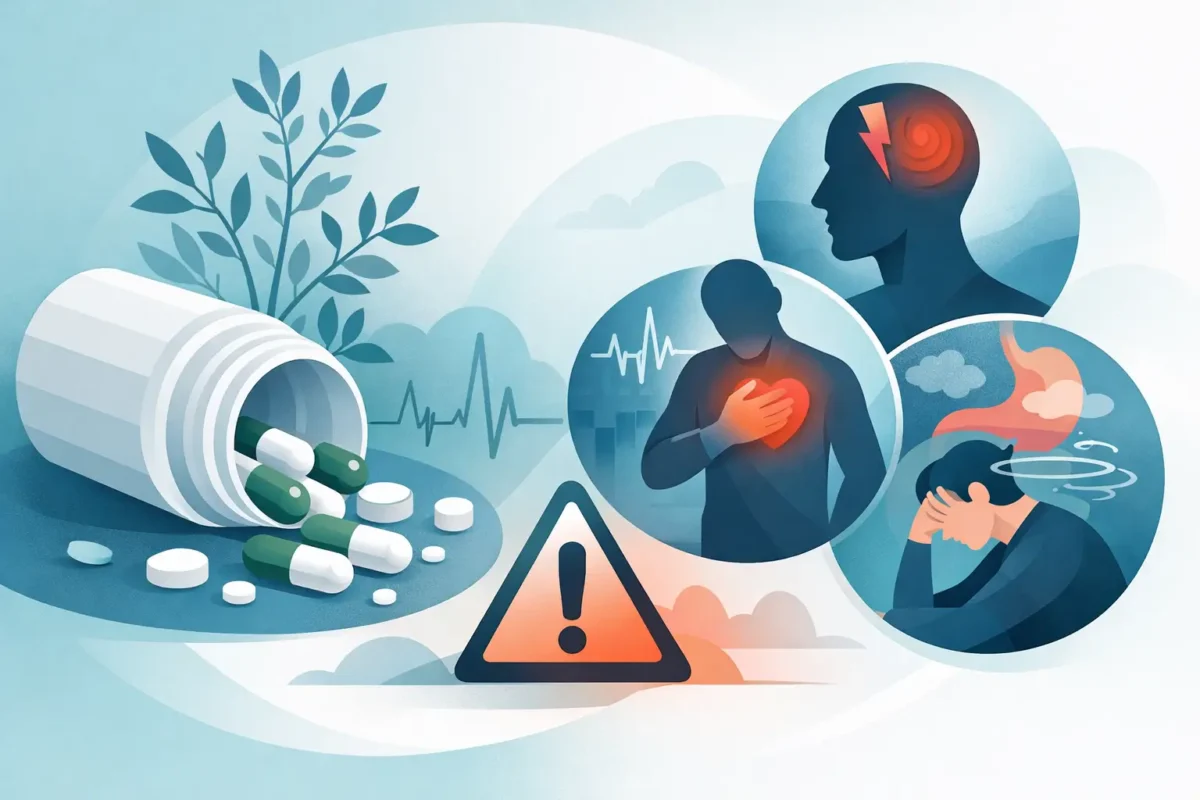
Common adverse effects may include nervousness, shakiness, trouble sleeping, headache, dry mouth, sweating, nausea, irritability, and a fast or pounding heartbeat. Some people also experience dizziness, anxiety, or difficulty urinating. These reactions can occur even when a person does not consider themselves sensitive to stimulants.
The more serious risks involve the cardiovascular and nervous systems. Ephedrine can put extra demand on the heart and blood vessels, particularly when it raises blood pressure or produces a sustained rapid pulse. Severe reactions are less common, but they can be life-threatening and should never be brushed off as ordinary stimulant discomfort. ephedrine adverse effects risks
When Symptoms Need Urgent Medical Attention
Chest pain, fainting, severe shortness of breath, a seizure, confusion, one-sided weakness, a severe sudden headache, or an irregular heartbeat require urgent medical evaluation. Call emergency services or seek immediate emergency care if these symptoms occur after ephedrine exposure. ephedrine adverse effects risks
A person does not need to wait for symptoms to become dramatic. A persistent racing heart, marked agitation, vomiting, intense tremors, or dangerously high blood pressure can worsen quickly. If there is concern about an overdose or a potentially harmful interaction, contact a poison control center or emergency service promptly. ephedrine adverse effects risks
Do not attempt to counteract a stimulant reaction with alcohol, sedatives, or another drug without medical advice. Combining substances can mask warning signs, impair judgment, or create a second medical emergency.
Who Faces Higher Ephedrine Risks?
Risk is not the same for every adult. People with high blood pressure, heart disease, irregular heart rhythms, previous stroke, glaucoma, thyroid disease, diabetes, anxiety disorders, or a history of seizures may face greater danger from ephedrine’s stimulant effects. ephedrine adverse effects risks
Age also matters. Older adults may be more vulnerable to blood-pressure changes and cardiac strain. Pregnant or breastfeeding people should speak with a qualified clinician before using medicines or products containing ephedrine. Children should not be exposed except under direct medical direction.
A family history of sudden cardiac death, unexplained fainting, arrhythmia, or early heart disease is another reason to take stimulant exposure seriously. Feeling healthy is not a guarantee that a person has no underlying cardiovascular vulnerability. ephedrine adverse effects risks
Stimulant Sensitivity Can Be Unpredictable
Some users report only mild restlessness, while others experience panic, palpitations, or blood-pressure spikes. This variation is one reason online claims about a product being “strong,” “clean,” or “pharmaceutical grade” are not a substitute for legitimate medical oversight, verified labeling, and professional advice. ephedrine adverse effects risks
Powders and unregulated stimulant products introduce additional uncertainty. Product identity, concentration, contamination, and measurement errors can materially increase harm. A label or seller statement cannot reliably establish what a person’s body can tolerate.
Interactions That Can Raise the Danger
Ephedrine is especially risky when combined with other substances that stimulate the heart, blood pressure, or central nervous system. Caffeine may seem routine, but high-caffeine coffee, energy drinks, pre-workout products, and stimulant supplements can compound jitteriness, insomnia, blood-pressure elevation, and palpitations. ephedrine adverse effects risks
Other high-risk combinations can include prescription stimulants, certain ADHD medications, cocaine, amphetamines, nicotine products, and some decongestants. Alcohol does not make ephedrine safer. It may reduce awareness of impairment or encourage people to take additional substances despite mounting physical stress.
Some antidepressants and psychiatric medications can also interact with stimulant compounds. Monoamine oxidase inhibitors, often called MAOIs, are a particular concern because combining them with ephedrine may contribute to a dangerous rise in blood pressure. People taking any prescription medication should ask a pharmacist or prescriber about interactions before using ephedrine. ephedrine adverse effects risks
Even nonprescription cold and flu products deserve attention. Many contain ingredients that affect heart rate or blood pressure. Reading active-ingredient labels is useful, but it does not replace professional guidance when multiple medicines or stimulant products are involved.
Dependence, Sleep Loss, and Escalating Use
Ephedrine is not typically discussed in the same way as every other stimulant, but repeated use can still create a harmful cycle. People may begin using it for alertness, appetite suppression, exercise, or congestion relief, then find that poor sleep, fatigue, anxiety, or tolerance pushes them toward more frequent use. ephedrine adverse effects risks
That pattern can become self-reinforcing. Stimulant-related insomnia reduces recovery and concentration, which can make another stimulant dose feel tempting the next day. Over time, mood changes, irritability, and exhaustion may become more visible than the effect a person originally wanted.
Stopping after frequent use can also feel uncomfortable. Fatigue, low mood, increased appetite, and sleep disruption may occur. A clinician can help evaluate symptoms and suggest a safer plan, especially if use has become regular or difficult to control. ephedrine adverse effects risks
A Clear Safety Check Before Exposure
The safest choice for someone with a relevant medical condition, a concerning medication interaction, or uncertainty about a product is to avoid unsupervised ephedrine use and speak with a licensed healthcare professional. This is not about judgment. It is about recognizing that stimulant risk is highly personal and can change from one day to the next. ephedrine adverse effects risks
Be especially cautious if dehydration, illness, sleep deprivation, intense exercise, or heat exposure are involved. These conditions can increase strain on the cardiovascular system and make adverse effects harder to recognize early. Never drive, operate machinery, or make high-consequence decisions if you feel shaky, dizzy, anxious, confused, or unusually stimulated.
For buyers comparing products online, the most useful question is not simply whether a product is available or affordable. Ask whether there is credible, regulated documentation, accurate labeling, legal compliance, and a qualified professional who can assess whether the substance is appropriate for you at all. Privacy and delivery claims do not reduce a drug’s medical risks. ephedrine adverse effects risks
The Bottom Line on Ephedrine Safety
Ephedrine can cause anything from unpleasant jitters and insomnia to severe cardiovascular or neurologic emergencies. The possibility of serious harm rises with larger exposures, repeated use, stimulant combinations, uncertain product strength, and preexisting health conditions. ephedrine adverse effects risks
If symptoms are already occurring, treat the body’s warning signals seriously rather than trying to push through them. The most helpful next step is often the least dramatic one: stop further exposure, avoid adding other substances, and get qualified medical help before a manageable reaction becomes an emergency. ephedrine adverse effects risks

Pingback: What Pharmaceutical Grade Ephedrine Really Means - Ephedrine Powder For Sale