
Blog Posts
Ephedrine HCl Safety Data Sheet: Handling Rules
Aug
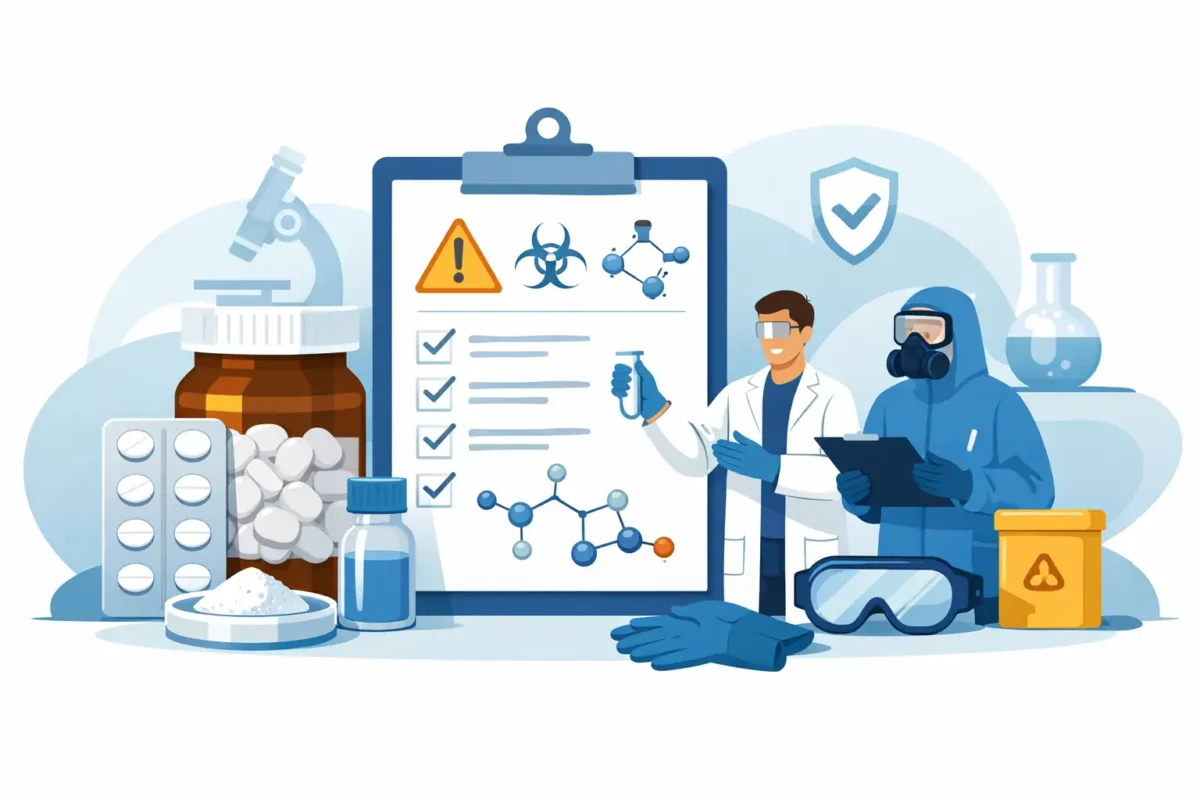
A container label cannot replace an ephedrine hcl safety data sheet. Before anyone opens, weighs, transfers, stores, or disposes of ephedrine hydrochloride, the current product-specific SDS should be available at the work area. That document connects the exact material in hand to its hazards, required protective equipment, emergency procedures, and transport or regulatory status. ephedrine hcl safety data sheet
Ephedrine HCl is a stimulant drug substance with meaningful occupational and health risks. Handling decisions should be based on the supplier’s current documentation, the amount involved, the physical form, the facility’s controls, and the laws that apply where the material is located. A generic sheet copied from an unrelated source is not enough. ephedrine hcl safety data sheet
What an Ephedrine HCl Safety Data Sheet Tells You
A proper SDS follows a standardized 16-section format. It identifies the substance, describes known hazards, lists composition information, and explains what to do in a fire, spill, accidental exposure, or storage failure. It also provides toxicological information, disposal guidance, transport classification where applicable, and regulatory details.
For ephedrine hydrochloride, the most useful sections are often the first eight: identification, hazard identification, composition, first-aid measures, firefighting measures, accidental-release measures, handling and storage, and exposure controls/personal protection. These sections should be reviewed before work begins, not after an incident. ephedrine hcl safety data sheet
The SDS must match the exact product and revision date. Differences in purity, formulation, particle size, packaging, and supplier classification can affect the precautions shown on the sheet. Keep the revision under document control and replace older copies when a supplier issues a new version. ephedrine hcl safety data sheet
Main Health Hazards During Handling
Ephedrine HCl can affect the nervous system and cardiovascular system. Depending on the dose and route of exposure, potential effects may include nervousness, agitation, tremor, headache, nausea, increased heart rate, elevated blood pressure, and difficulty sleeping. Significant exposure may require prompt medical evaluation, especially for a person with heart disease, high blood pressure, thyroid disease, glaucoma, or sensitivity to stimulant medicines. ephedrine hcl safety data sheet
In a workplace setting, the most realistic exposure concerns are dust inhalation, contact with eyes or skin, and accidental hand-to-mouth transfer. Powder handling can create airborne particles even when the amount appears small. The hazard is not limited to dramatic spills. Repeated poor housekeeping, open containers, contaminated gloves, and dry sweeping can all raise exposure risk.
Do not assume that a pharmaceutical-grade claim changes the need for controls. Material quality and safe handling are separate questions. Even a correctly identified material requires appropriate engineering controls, trained personnel, and documented procedures. ephedrine hcl safety data sheet
Exposure Response Basics
The current SDS and emergency protocol should control the response. In general, move an exposed person away from airborne dust and into fresh air. For skin contact, remove contaminated clothing and rinse thoroughly with water. For eye exposure, rinse gently with water for an extended period and seek medical advice. If swallowed, do not induce vomiting unless directed by a poison center or clinician. ephedrine hcl safety data sheet
Call emergency services or a poison center promptly when symptoms are severe, when there is chest pain, fainting, marked palpitations, confusion, seizures, breathing difficulty, or suspected significant ingestion. Bring the product label or SDS to medical personnel when possible. Do not delay care while trying to determine an exact exposure amount.
PPE and Work Area Controls
Personal protective equipment is the final layer of protection, not the only one. The preferred approach is to prevent dust release at the source through enclosed handling, local exhaust ventilation, suitable work practices, and cleanable surfaces. The necessary level of control depends on task scale and dust generation. ephedrine hcl safety data sheet
For routine controlled handling, the SDS may call for protective gloves, safety glasses or chemical splash goggles, and protective clothing. If airborne powder is possible, respiratory protection must be selected under a written respiratory-protection program with appropriate fit testing and training. A loose disposable mask is not a substitute for a properly selected respirator.
Use dedicated tools where practical. Avoid eating, drinking, smoking, applying cosmetics, or storing food in the handling area. Wash hands and exposed skin after work, even if gloves were worn. Gloves can transfer contamination to phones, door handles, keyboards, and personal items. ephedrine hcl safety data sheet
Avoid These Common Errors
Do not handle fine powder near fans, open windows, or high-traffic areas. Do not use compressed air to clean contaminated surfaces. Do not dry sweep a spill. These practices can spread particles beyond the immediate work zone and expose people who are not wearing PPE. ephedrine hcl safety data sheet
It is also a mistake to rely on odor as a warning signal. Many chemical exposures cannot be safely judged by smell. Follow the written controls and monitor the work area according to facility procedures.
Storage Requirements for Ephedrine HCl
Store ephedrine HCl in a tightly closed, clearly labeled container in a dry, secure location. Keep it away from incompatible materials identified on the specific SDS and protect it from conditions that could damage packaging or labels. Inventory should be limited to what can be safely managed under applicable rules. ephedrine hcl safety data sheet
Security matters as much as physical storage. Ephedrine-related materials may be subject to controlled-substance, drug-precursor, recordkeeping, import, export, or state-level requirements. Access should be restricted to authorized, trained personnel. Maintain accurate inventory records, investigate discrepancies promptly, and follow the legal requirements that apply to your operation. ephedrine hcl safety data sheet
Never place an unmarked secondary container into storage. If a material is transferred, label the new container with the chemical identity, relevant hazards, and the date or batch information required by your workplace system. Unlabeled powder creates an avoidable safety and compliance failure.
Spill and Fire Response
The SDS should state the exact spill procedure, but the central goal is simple: prevent exposure and prevent the powder from spreading. Isolate the immediate area, keep unprotected people away, and use trained responders with proper PPE. For a small release, collection methods should minimize airborne dust, such as carefully dampened cleanup where compatible or suitable filtered vacuum equipment. ephedrine hcl safety data sheet
Place collected waste into a compatible, sealed, labeled container for disposal under local, state, and federal requirements. Do not wash unknown quantities into drains. Disposal rules depend on the material classification, contamination, local waste rules, and the nature of the spill.
For fire planning, consult the SDS for suitable extinguishing media and decomposition hazards. Responders should understand that heated chemical containers can rupture and combustion products may be hazardous. Evacuate when conditions are beyond the capability of trained on-site staff. ephedrine hcl safety data sheet
Why Compliance Is Part of Safety
An SDS does not grant permission to possess, use, ship, manufacture, distribute, or import a regulated material. It is a hazard communication document. Legal status can differ by country, state, intended use, quantity, and business activity. Organizations should verify requirements with qualified legal, regulatory, environmental health and safety, and medical professionals where appropriate. ephedrine hcl safety data sheet
Training should cover more than reading the sheet once. Workers need to know where the SDS is stored, how to interpret the label, which PPE applies to each task, how to report an exposure, and who has authority to stop work. A documented drill for a spill or accidental exposure can reveal weak points before they become a real emergency.
Keep the SDS Current and Usable
The best safety data sheet is one people can find and use under pressure. Keep an accessible electronic copy and a backup method in case systems are unavailable. Review it when a new supplier, formulation, package type, process, or handling quantity is introduced. Reassess controls after spills, near misses, or employee reports of irritation or symptoms. ephedrine hcl safety data sheet
Treat the ephedrine HCl SDS as an active work document, not a file kept for inspections. Clear labels, controlled storage, trained handling, and fast access to current emergency information give people the practical protection they need when a routine task stops being routine. ephedrine hcl safety data sheet

Pingback: Precursor Chemical Disposal Guidance for Safer Handling - Ephedrine Powder For Sale
Pingback: Ephedrine Import Regulations in the EU Explained - Ephedrine Powder For Sale
Pingback: Ephedrine API Certificate of Analysis Requirements - Ephedrine Powder For Sale