Blog Posts
Ephedrine Customs Requirements Europe Explained
Sep
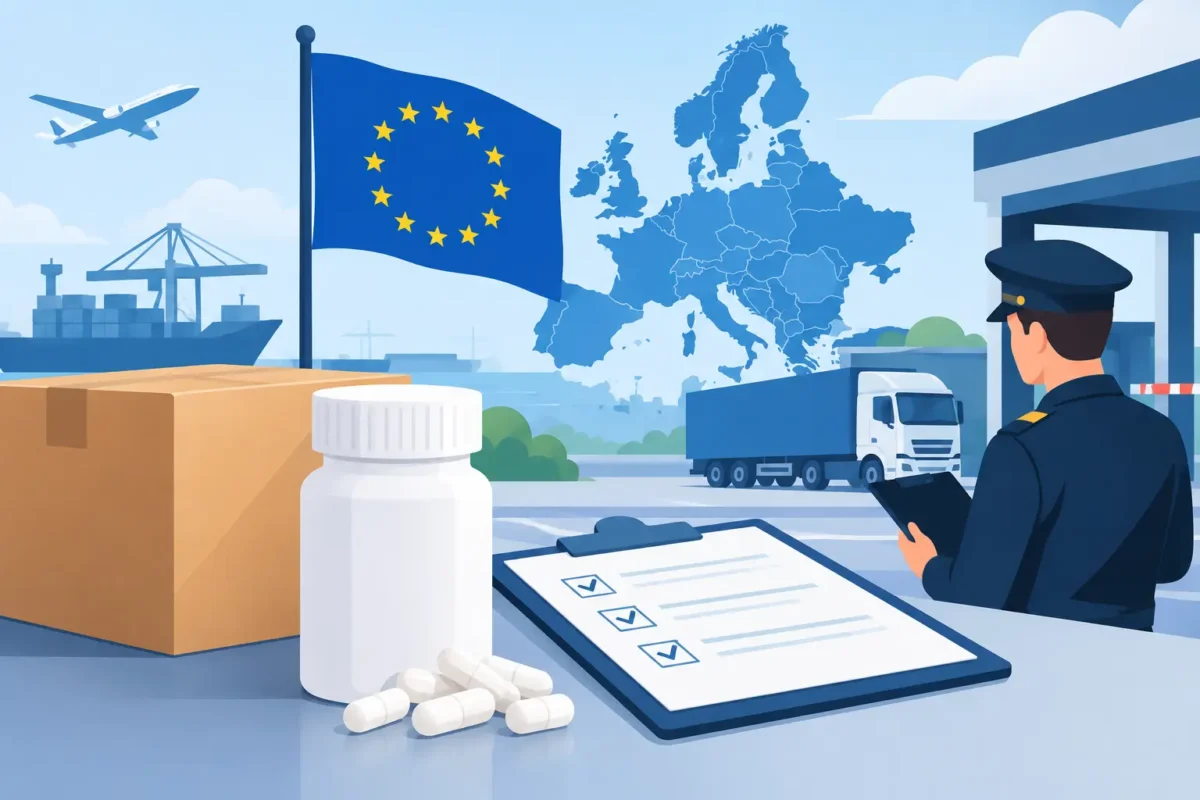
The phrase “ephedrine customs requirements Europe” suggests one rulebook, but that is not how cross-border control works. Ephedrine and pseudoephedrine are closely watched precursor substances, and a shipment can be lawful in one jurisdiction yet require different authorizations, documentation, or handling in another. For buyers, laboratories, and wholesale purchasers, the practical rule is simple: confirm legality before payment, before dispatch, and before a parcel reaches customs.
A low declared value, private delivery address, or discreet outer packaging does not change the legal status of the material. Customs authorities assess the substance, the paperwork, the importer, the declared end use, and the destination country’s own rules. If any part of that picture is unclear, release may be delayed, refused, or referred to another authority.
Why Ephedrine Customs Requirements in Europe Are Strict
Ephedrine is used in legitimate pharmaceutical and industrial contexts, but it is also recognized as a chemical precursor that can be diverted into illegal drug production. That dual-use risk is why authorities scrutinize it far more closely than ordinary commercial goods.
Across the European Union, drug-precursor controls create a common regulatory framework. However, customs enforcement and domestic licensing are handled country by country. European countries outside the EU, including the United Kingdom, Norway, and Switzerland, maintain their own import regimes and border procedures. A seller’s willingness to ship internationally is not proof that an import is permitted at the destination.
The exact classification can depend on the form of the material. Ephedrine HCL, ephedrine powder, pseudoephedrine, salts, mixtures, and finished medicinal products may be treated differently under customs, medicines, precursor-chemical, and controlled-substance rules. A buyer should never assume that labeling a product as a supplement, research chemical, raw material, or pharmaceutical ingredient removes regulatory obligations.
The First Question: Who Is the Legal Importer?
Customs authorities need a clearly identifiable importer. For commercial orders, that is usually a registered business with a valid address, tax details where applicable, and the authority to receive the material. The importer may also need a national registration, permit, or license tied to drug precursors, medicines, chemicals, or wholesale distribution.
Private individuals face a different and often more restrictive situation. Even where a substance has recognized medical uses, personal import rules can be narrow. A prescription in one country does not automatically authorize import into another, and bulk quantities are likely to attract greater scrutiny than a personal medication supply. A customs officer may ask whether the quantity, packaging, and paperwork match the stated purpose.
For business purchasers, the stated end use matters. A credible commercial file normally identifies the company, the responsible contact, the receiving facility, the intended lawful use, and the quantity required. If the end use cannot be supported, customs may have reason to question the shipment.
Documents Customs May Expect
There is no universal document pack that guarantees clearance. Requirements depend on origin, destination, product form, quantity, and importer status. Still, lawful commercial imports of regulated chemical materials commonly require consistent records across the transaction.
A pre-dispatch file may include:
- A commercial invoice that accurately names the substance, form, quantity, value, seller, and buyer.
- A packing list that matches the invoice and the physical shipment.
- Product specification or analytical documentation identifying the material accurately.
- Any required import authorization, precursor registration, medicines authorization, or controlled-substance permit.
- Transport and customs declarations completed with a truthful commodity description and classification.
Consistency is critical. The invoice, label, declaration, safety documentation, and import authorization should not tell conflicting stories. Vague descriptions such as “health product,” “supplement,” or “chemical sample” can create problems when the package contains a regulated ephedrine-related material.
False descriptions, undervaluation, split shipments, or attempts to conceal the identity of a substance can lead to seizure and serious legal consequences. They are not shipping strategies. They increase risk for the buyer, sender, carrier, and any business named on the documents.
Quantity Changes the Risk Profile
Quantity is not the only issue, but it is a major one. A larger order may be commercially reasonable for a licensed manufacturer or authorized wholesaler with established records. The same quantity sent to a residential address or an unverified buyer can appear inconsistent with legitimate use.
Wholesale buyers should expect closer attention to storage, handling, internal controls, and onward distribution. A legitimate purchase file should be able to withstand a basic compliance review. That means knowing who receives the goods, where they are held, who can access them, and how the material will be used or transferred.
EU Rules Do Not Replace National Rules
The EU customs union simplifies some movement of goods once they are properly released into free circulation, but it does not erase national restrictions on drug precursors, medicines, or controlled materials. The country of import is especially important because that is where the first customs declaration and compliance decision commonly occur.
For example, an authorization accepted by one national authority may not satisfy the requirements of another country. Some jurisdictions distinguish sharply between licensed pharmaceutical businesses and ordinary commercial purchasers. Others impose limits on possession, supply, or import regardless of whether the buyer describes the material as being for research.
If the shipment enters the EU through one country but is ultimately destined for another, both the entry process and final destination rules should be checked. The same caution applies to goods shipped from within Europe to the UK, Switzerland, Norway, or other non-EU destinations. Crossing that border is an import event with its own declarations and restrictions.
What Causes a Shipment to Be Held
A border hold does not always mean wrongdoing. Customs may need time to verify product identity, permits, origin, value, or the importer’s authority. But regulated stimulant and precursor materials can trigger additional review, particularly when the documents are incomplete or the shipment facts do not align.
Common issues include a missing permit, a name mismatch between buyer and authorization holder, an incomplete product description, an implausible end use, an incorrect tariff classification, or an address that cannot be connected to the stated business activity. Carriers may also pause a shipment where dangerous-goods, security, or internal compliance checks raise questions.
Do not try to solve a hold by changing the story after dispatch. Provide accurate records through the formal channel requested by the carrier or authority. If a permit is required and was not obtained, the sensible response is to seek qualified legal or regulatory guidance, not to resend the material under a different description.
A Better Pre-Order Compliance Check
Before placing an ephedrine-related order for Europe, establish four facts: whether the substance and form are legal to import into the exact destination country, whether the buyer qualifies as the importer, whether a permit or registration is required, and whether the intended use can be documented. Those answers should come from the relevant national customs, medicines, chemical, or precursor-control authority, or from a qualified compliance professional.
Buyers should also confirm that the supplier can provide truthful commercial paperwork and product-identification records. A serious supplier should not pressure a customer to use misleading names, false values, or delivery details that do not belong to the real importer. Privacy matters, but legal documentation still has to be accurate.
For regulated materials, the lowest price is rarely the full cost of the purchase. Delays, refused entry, storage charges, destruction, loss of stock, and enforcement exposure can outweigh any apparent savings. The strongest transaction is one where the product, purpose, importer, paperwork, and destination rules all match from the start.
If you are unsure whether your planned import is allowed, pause the order and get a written answer from the authority that governs your destination. That one step is more valuable than any shipping promise once a regulated shipment reaches the border.
