Blog Posts
Ephedrine Import Regulations United States
Sep
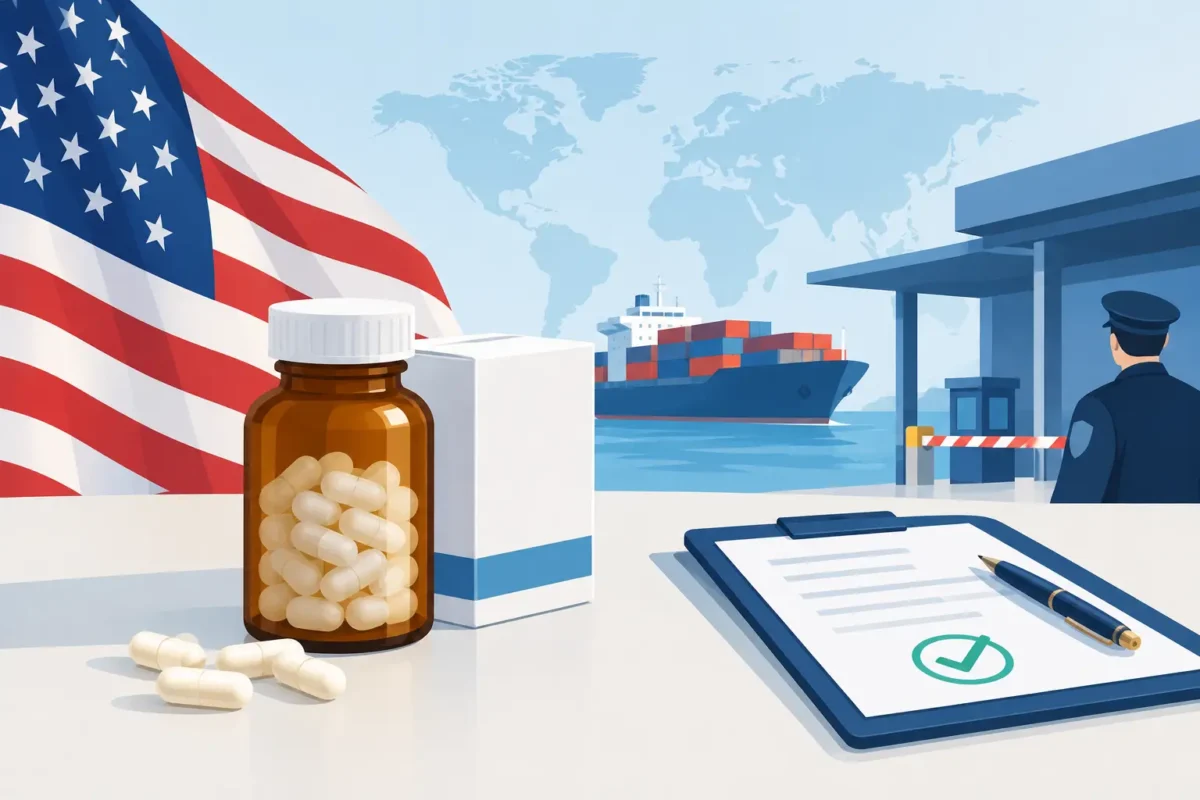
A bulk powder shipment labeled as a “research chemical” or “personal supplement” is not made lawful by the label. In the United States, ephedrine import regulations united states buyers should understand involve more than a package clearing Customs. Ephedrine is a tightly controlled chemical because it can be diverted into illegal drug manufacturing, and federal agencies closely examine its importation, distribution, and recordkeeping.
For a US buyer, the practical message is simple: do not assume a foreign seller’s willingness to ship means the material may legally enter the country. The intended use, product form, quantity, importer status, documentation, and destination state can all affect the outcome.
Why Ephedrine Is Treated Differently
Under the Controlled Substances Act, ephedrine is generally regulated by the Drug Enforcement Administration as a List I chemical. That classification does not mean every lawful use is prohibited. It does mean that the chemical is subject to controls designed to prevent diversion.
The rules can apply to ephedrine hydrochloride, ephedrine sulfate, raw ephedrine powder, and certain products containing ephedrine. A buyer should not rely on casual descriptions such as “pharmaceutical grade,” “laboratory material,” or “not for human consumption” as a legal shield. Regulators assess what the material actually is and how it is being imported, not simply the wording used in an invoice or product listing.
Bulk quantities receive especially close attention. A shipment intended for a properly registered manufacturer, distributor, or other authorized business is very different from an undeclared package addressed to an individual. The fact that a product is available overseas does not create a legal right to import it into the United States.
Ephedrine Import Regulations in the United States
Importing a List I chemical is regulated activity. Businesses that import ephedrine may need DEA registration as an importer and must meet applicable notification, reporting, security, recordkeeping, and due-diligence obligations. Import transactions can require advance notice to the DEA and may be reviewed before the shipment is permitted to proceed.
The exact obligations depend on the transaction. Factors include the chemical form, concentration, shipment volume, parties involved, country of origin, and whether the import is for manufacturing, distribution, research, or another legitimate commercial purpose. A registered company should work with qualified compliance counsel and a customs professional before placing an order, rather than trying to correct paperwork after a shipment has left the origin country.
Individual consumers should be particularly careful. “Personal use” is not a blanket exception to federal chemical-control rules. A small package can still be detained, refused, seized, or referred for further review if it contains a regulated chemical that the recipient is not authorized to import.
The following issues commonly determine whether a shipment faces serious problems at the border:
- The importer lacks the required DEA registration or cannot show a legitimate, documented business purpose.
- The shipment paperwork misidentifies the substance, understates its quantity, or omits the actual consignee.
- The product is treated as a drug or drug ingredient and does not meet applicable Food and Drug Administration requirements.
- The package contains an unapproved, mislabeled, adulterated, or improperly declared product.
- The destination transaction conflicts with federal, state, or local restrictions.
Accurate paperwork is a compliance requirement, not a formality. False descriptions, altered invoices, split shipments, or attempts to conceal the nature of a chemical can create much more serious consequences than a routine import refusal.
DEA Controls Are Only Part of the Picture
The DEA is a central agency for ephedrine control, but it is not the only authority involved. US Customs and Border Protection screens goods arriving through mail, express carriers, air cargo, seaports, and land borders. Customs officers can inspect packages, request supporting documentation, and hold goods while they determine whether another agency must review the shipment.
The FDA may also have jurisdiction where the product is represented as a drug, active pharmaceutical ingredient, dietary supplement ingredient, or material intended for human use. Importing a substance for use in a finished drug product can trigger separate requirements concerning manufacturing standards, labeling, registration, listing, and product approval status.
That distinction matters. A seller’s claim that a powder is pure or pharmaceutical grade does not establish that it is an FDA-compliant drug ingredient, nor does it prove the importer can lawfully receive it. Quality claims and legal compliance are separate questions. Responsible buyers verify both.
Federal requirements also do not erase state law. States may impose tighter controls on ephedrine sales, possession, distribution, retail access, or reporting. A transaction that appears permissible under one state’s rules may still be restricted in another. Buyers should review the laws where the material will be delivered, stored, and used.
What Happens When a Shipment Is Detained
A detention is not always an immediate final decision, but it should be treated seriously. Customs or another agency may request invoices, ingredient information, intended-use documentation, importer identification, registrations, or other evidence needed to evaluate the entry.
If the shipment cannot be released, it may be refused entry, exported back to the sender, abandoned, or seized, depending on the circumstances and agency authority. The recipient may also receive correspondence explaining the action or requesting a response. Ignoring official notices can limit available options.
A detained package should not be handled through improvised explanations or inaccurate paperwork. The right response depends on the facts. Legitimate registered businesses should involve their compliance team, customs broker, and legal counsel. Individual purchasers should obtain qualified legal advice before making representations to a federal agency.
No carrier, shipping method, private messaging channel, or discreet packaging arrangement overrides US import law. Privacy is not the same as authorization, and a shipment that is hidden or inaccurately described can increase legal exposure.
A Practical Compliance Check Before Ordering
Before arranging any ephedrine shipment into the United States, start by identifying the material precisely. Confirm the chemical name, salt form, concentration, quantity, supplier identity, country of manufacture, and intended end use. Vague product information is a warning sign, especially for bulk powders.
Next, determine whether the importing party is legally positioned to receive the product. For a business, that means confirming DEA registration status and any required federal or state permissions before payment and shipment. It also means confirming that the business can meet security, recordkeeping, customer-verification, and reporting obligations after importation.
Then examine the product’s regulatory category. A chemical intended for lawful industrial or research activity may be reviewed differently from material marketed for consumption or incorporation into a drug product. Do not invent an intended use to fit a preferred category. The documents, product presentation, purchaser activity, and shipment facts should all be consistent.
Finally, plan for truthful entry documentation. Commercial invoices, declarations, quantities, values, and consignee details must accurately reflect the transaction. A low declared value or generic description may seem convenient, but it can trigger scrutiny and undermine credibility when a regulated chemical is involved.
Quality, Storage, and Legal Accountability
Import compliance does not end once a product crosses the border. Authorized handlers must maintain control over regulated material, keep it secured, preserve required records, and prevent diversion. Storage conditions should protect material integrity while also limiting unauthorized access.
Buyers should also recognize the health risks associated with ephedrine. It is a stimulant that can raise heart rate and blood pressure and may interact dangerously with other stimulants, certain medications, alcohol, and underlying cardiovascular conditions. Legal access is not a substitute for medical judgment. Products intended for human use should only be handled within lawful medical and regulatory channels.
The safest transaction is one that can withstand inspection from the beginning: a verified product, a legitimate purpose, an authorized importer, truthful documents, and records that match the shipment. If any of those pieces are unclear, pause the order and get competent compliance advice before the package is in transit.
