Blog Posts
Precursor Chemical Regulations Overview for Buyers
Aug
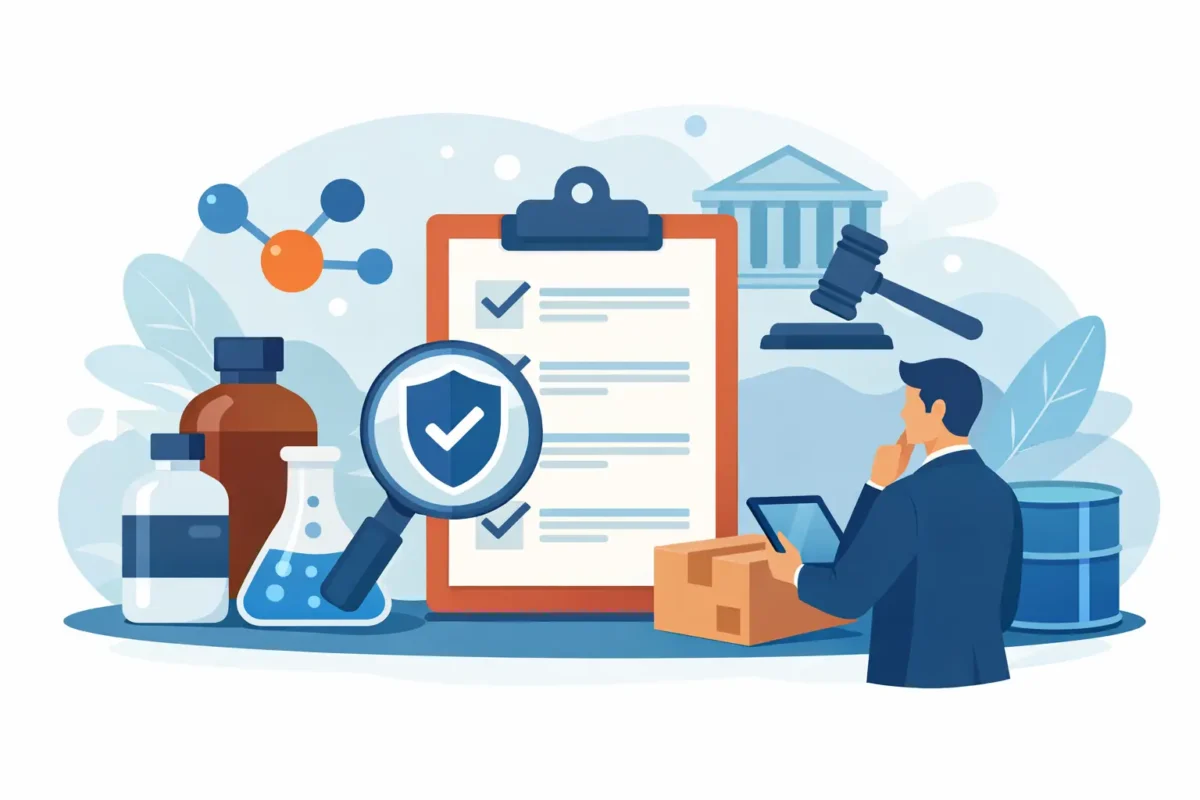
A precursor chemical is not treated like an ordinary commodity just because it has legitimate industrial, research, or pharmaceutical uses. This precursor chemical regulations overview gives buyers a clear starting point: legal status depends on the specific substance, its quantity, its intended use, the parties involved, and every jurisdiction the material crosses. Precursor chemical regulations overview
For chemicals such as ephedrine and pseudoephedrine, assumptions are expensive. A product description, purity claim, or foreign seller’s statement does not establish that possession, purchase, importation, or distribution is lawful. Buyers should confirm compliance before discussing a transaction, not after a package has been shipped or stopped.
Why Precursor Chemicals Receive Extra Scrutiny
Many precursor chemicals have lawful roles in manufacturing and medicine. At the same time, some can be diverted into unlawful drug production. Regulators therefore focus not only on the chemical itself, but also on patterns that may indicate diversion, including unusual volumes, inconsistent business information, unclear end use, or attempts to avoid standard documentation.
This creates a different compliance standard from ordinary consumer purchasing. A buyer may need to demonstrate a legitimate purpose, maintain records, use an appropriately registered supplier, and satisfy import or export requirements. The exact obligations vary, but the central rule is consistent: traceability matters. Precursor chemical regulations overview
In the United States, federal controls may apply through the Controlled Substances Act and related Drug Enforcement Administration requirements. State laws can add separate restrictions, permits, reporting duties, or sales limitations. Outside the United States, the destination country may classify the same material differently, require a government authorization, or prohibit importation outright.
Precursor Chemical Regulations Overview: The Main Questions
Before any order, shipment, transfer, or payment, identify the answer to five basic questions. What is the exact chemical and form? Is the activity lawful where the buyer is located? Is the supplier authorized to handle it? Is the stated end use legitimate and documented? Are there import, export, carrier, or customs restrictions?
The chemical name alone is not always enough. Regulatory treatment can differ based on whether a substance is a salt, solution, mixture, finished dosage form, or raw material. Product concentration and quantity can also affect the rules. Buyers should request accurate technical documentation and verify the chemical identity rather than relying on informal names or marketing language.
Legal possession is also not the same as legal commercial activity. A person may be allowed to possess a limited product under one rule while being prohibited from importing bulk material, reselling it, transferring it to another party, or using it outside an approved business purpose. This distinction is often missed in online transactions.
Registration and Authorized Parties
Some regulated chemicals may only be handled by registered manufacturers, distributors, importers, exporters, or other authorized entities. Registration is not a formality. It is part of the system designed to establish who is accountable for custody, reporting, storage, and suspicious activity review.
A serious buyer should be able to identify the legal entity on the other side of the transaction. That includes a verifiable business name, physical address, appropriate licensing where required, and documentation that matches the material being offered. If a supplier will not provide basic compliance information, that is a reason to stop, not a reason to move faster.
For business purchases, the buyer’s own status matters too. A legitimate company may still need its own registration, permit, tax documentation, or state-level authorization. Research institutions, laboratories, pharmacies, manufacturers, and wholesalers can each face different rules based on their role. Precursor chemical regulations overview
Records, Reporting, and Suspicious Orders
Recordkeeping is one of the most practical parts of compliance. Authorities may require regulated parties to keep transaction records, customer information, invoices, shipping details, and proof of legitimate use for defined periods. Records should be accurate, consistent, and available for inspection when required. Precursor chemical regulations overview
Reporting duties may apply to certain transactions or suspicious circumstances. A transaction can raise concern when the order size does not match the buyer’s stated operations, the end use is vague, the identity of the purchaser cannot be verified, or there is pressure to bypass normal paperwork. Multiple small orders can also attract scrutiny when they appear designed to avoid controls.
The right response to uncertainty is not to split orders, change descriptions, use intermediaries, or seek alternative shipping methods. Those actions can create serious legal exposure. The right response is to pause and obtain qualified legal or regulatory guidance.
Import and Export Rules Are Separate Risks
Cross-border transactions add another layer of regulation. A material may be lawful to buy domestically but restricted at the border. Importing can require declarations, permits, advance notices, registrations, or approvals from more than one agency. Exporting may require separate authorization from the country of origin as well as approval from the destination country. Precursor chemical regulations overview
Customs authorities can detain, seize, or destroy shipments that are improperly declared or prohibited. The consequences may go beyond loss of the product. Depending on the facts, a buyer or seller can face fines, investigation, loss of business privileges, or criminal penalties.
Do not treat “worldwide shipping” as proof that international delivery is legal. A carrier accepting a parcel also does not confirm compliance. The buyer remains responsible for understanding local law and ensuring that paperwork, product identity, and declared purpose are truthful. Precursor chemical regulations overview
What Buyers Should Verify Before Proceeding
A lawful purchase begins with verification, not price comparison. Buyers should confirm the substance’s current federal and state status, then review the destination country’s rules if an international shipment is involved. Because regulations change, old forum posts, screenshots, and seller claims are not reliable legal guidance.
Documentation should match the material. Depending on the transaction, that may include a certificate of analysis, safety data sheet, invoice, license information, end-use statement, and shipping documents. These records do not automatically make a transaction lawful, but missing or contradictory records are a serious warning sign. Precursor chemical regulations overview
Buyers should also consider whether they have a legitimate facility and controls for receipt and storage. Regulated chemicals should not be sent to an unsuitable location, left unsecured, or transferred casually after delivery. Proper inventory controls protect people, support lawful accountability, and reduce the risk of diversion.
For individuals, the safest approach is especially simple: do not purchase raw or bulk precursor chemicals unless you have confirmed that the activity is lawful and that you meet every applicable requirement. Medical needs should be handled through licensed healthcare and pharmacy channels, not informal chemical sourcing.
Precursor chemical regulations overview
One common misunderstanding is that “pharmaceutical grade” means unrestricted. Quality claims and legal status are separate issues. A material can be pure and still be tightly regulated, improperly documented, or illegal to import.
Another is the belief that personal use always creates an exemption. It depends on the substance, form, amount, state law, and intended use. Personal explanations do not erase restrictions on possession, importation, or distribution.
Buyers also sometimes assume that privacy means anonymity. Legitimate privacy protects sensitive business and personal data. It does not mean hiding the identity of a party, misstating an end use, or avoiding legally required records. Any transaction that depends on concealment should be treated as a warning sign. Precursor chemical regulations overview
Build Compliance Into the Decision
The most reliable way to reduce risk is to make compliance a condition of the transaction. Verify the product identity, confirm the legal status, assess the supplier’s authorization, document the intended use, and keep records that accurately reflect what occurred. If any part of that chain is unclear, do not proceed until it is resolved. Precursor chemical regulations overview
Precursor chemical rules can feel complex because they are designed to balance legitimate access with diversion prevention. That balance requires patience from buyers as well as sellers. A careful compliance check before a transaction is far easier than trying to explain an undocumented shipment after it has already crossed a border. Precursor chemical regulations overview

Pingback: Ephedrine Import Regulations United States - Ephedrine Powder For Sale