Blog Posts
Ephedrine and High Blood Pressure Safety Risks
Sep
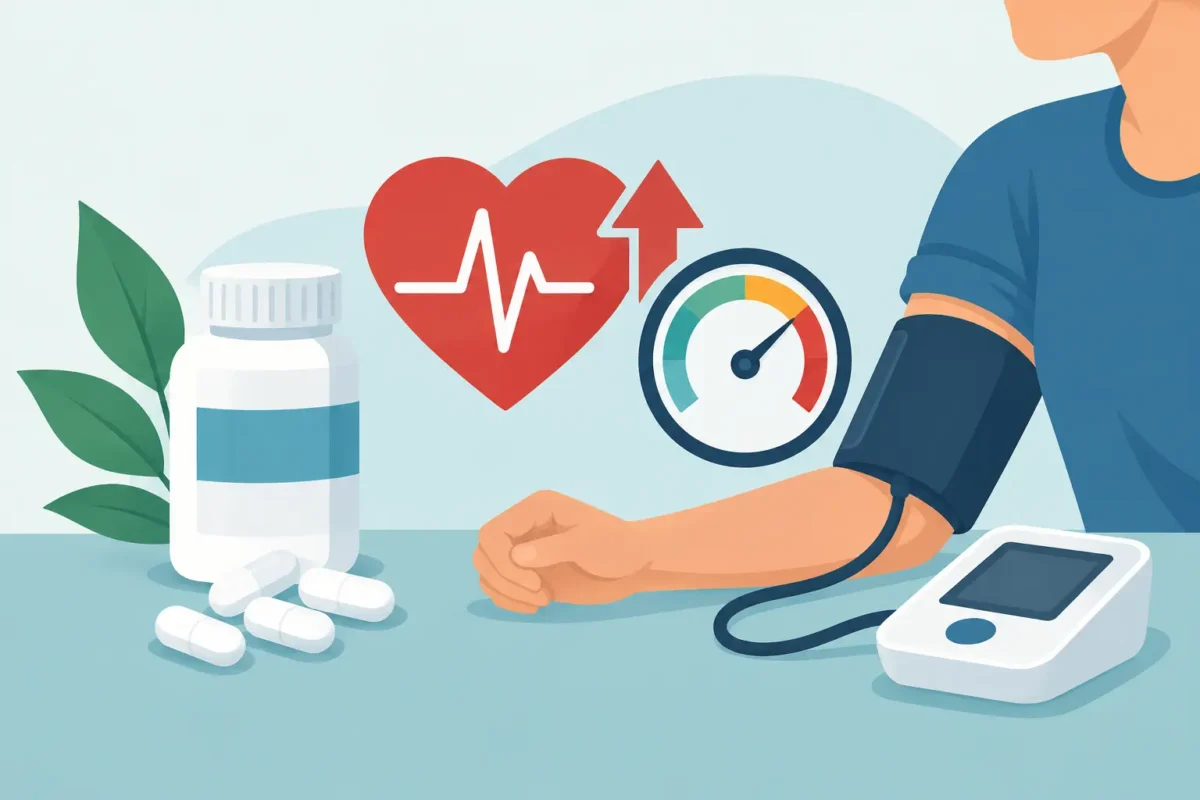
A blood pressure reading that is only mildly elevated can become a serious problem when a stimulant is added. Ephedrine and high blood pressure are a high-risk combination because ephedrine can increase heart rate, tighten blood vessels, and push blood pressure higher – sometimes without obvious warning symptoms.
For adults who already use, handle, or are considering ephedrine-related products, the practical issue is not simply whether the material is high purity. Purity does not remove the underlying cardiovascular effects of the compound. A known, accurately identified substance can still be unsafe for a person with hypertension, a heart condition, or an interaction risk from another medication.
Why Ephedrine Raises Blood Pressure
Ephedrine is a stimulant and sympathomimetic drug. In plain terms, it activates parts of the body’s fight-or-flight response. That can increase the force and speed of the heartbeat while narrowing some blood vessels. Both effects can raise blood pressure.
The response varies from person to person. Someone with normal readings may experience a temporary increase, while someone with untreated hypertension, vascular disease, kidney disease, or a history of cardiac problems may have much less room for that increase. The risk can also be greater when a person is dehydrated, sleep-deprived, ill, stressed, or physically exerting themselves.
High blood pressure is often called a silent condition because many people feel fine even when their numbers are elevated. That makes self-assessment unreliable. Feeling alert, energized, or unaffected is not proof that the cardiovascular system is handling a stimulant safely.
Ephedrine and High Blood Pressure: Who Faces the Greatest Risk?
People with a prior hypertension diagnosis should treat ephedrine as a medical question, not a routine stimulant choice. This includes people whose blood pressure is controlled with medication. Controlled readings do not automatically mean that a stimulant will be tolerated, especially if the treatment plan was designed around avoiding substances that raise pulse or blood pressure.
Risk is also higher for people with coronary artery disease, arrhythmias, heart failure, a history of stroke or transient ischemic attack, thyroid disease, diabetes with vascular complications, glaucoma, or impaired kidney function. Age can matter, but it is not a guarantee of safety. Serious stimulant-related cardiovascular events can occur in younger adults, particularly when other stimulants or recreational substances are involved.
Family history deserves attention as well. A close relative with early heart attack, stroke, unexplained sudden cardiac death, or inherited rhythm disorders is a reason to be more cautious and to seek individualized medical advice before exposure.
The Interaction Problem Is Often Bigger Than Expected
The most avoidable danger is stacking ephedrine with other products that also stimulate the cardiovascular system. Caffeine is the familiar example, but energy drinks, concentrated pre-workout products, nicotine, certain weight-loss products, ADHD stimulants, and some illicit drugs can compound the effect.
Cold and allergy products are another concern. Many contain decongestants that affect blood vessels or stimulants with related effects. Taking multiple combination products without reading active ingredients can lead to accidental duplication. Prescription medicines also matter. Some antidepressants, asthma medications, thyroid medicines, migraine treatments, and blood pressure medicines may change how the body responds or make a dangerous reaction more likely.
Alcohol should not be treated as a balancing agent. It can interfere with judgment, hydration, sleep, and awareness of warning symptoms. Mixing substances may make someone feel less aware of impairment while increasing the strain placed on the heart and blood vessels.
If you take any prescription medication, the right next step is a pharmacist or clinician review using the exact medication names and doses. Do not assume a product is compatible because it is common, sold over the counter, or described as pharmaceutical grade.
Warning Signs That Need Immediate Attention
A severe blood pressure rise or heart-related event may begin with symptoms, but not always. Do not wait for a symptom to become extreme if a stimulant exposure is followed by a concerning change in how you feel.
Seek emergency medical care immediately for chest pain, chest pressure, severe shortness of breath, fainting, new confusion, a sudden severe headache, weakness or numbness on one side of the body, trouble speaking, major vision changes, or a fast or irregular heartbeat that does not settle. These can signal a medical emergency such as a heart attack, stroke, dangerous arrhythmia, or hypertensive crisis.
Other symptoms – palpitations, tremor, marked anxiety, dizziness, nausea, sweating, or a pounding headache – may not always mean an emergency, but they should not be dismissed after ephedrine exposure. Stop further use and obtain prompt medical guidance. If possible, record when the symptoms began, what was taken, any other substances used, and any available pulse or blood pressure readings. Accurate information helps clinicians respond quickly.
Do not try to correct a suspected reaction by taking extra blood pressure medication, sedatives, alcohol, or another substance unless emergency professionals specifically direct you to do so. Improvised countermeasures can create a second problem.
Blood Pressure Monitoring Has Limits
Home blood pressure monitors can be useful, but they do not replace evaluation when symptoms are present. A reading can be inaccurate if the cuff size is wrong, the device is poorly positioned, the person has recently exercised, smoked, used caffeine, or is visibly anxious. One number is less useful than a pattern measured correctly over time.
For someone diagnosed with hypertension, regular monitoring can reveal whether a treatment plan is working. It cannot establish that ephedrine is safe. A normal measurement before use does not predict the peak effect afterward, and an apparently normal reading does not rule out rhythm problems or other cardiovascular complications.
If you are uncertain whether your blood pressure is controlled, arrange a medical assessment rather than relying on how you feel. A clinician may also check for secondary causes of hypertension, medication effects, and signs of organ strain that a home cuff cannot detect.
Product Quality Does Not Eliminate Medical Risk
Buyers who prioritize purity, potency, and consistent handling are right to recognize that unknown material creates additional hazards. Mislabeling, contamination, and inconsistent concentration can make the outcome less predictable. However, that is only one side of the safety equation.
Even a correctly identified ephedrine product can raise blood pressure and interact with medications. Higher potency can make careful medical oversight more necessary, not less. The same principle applies to bulk storage or wholesale handling: secure storage, clear labeling, and preventing access by children or unauthorized individuals are basic safeguards, but they do not make personal use appropriate for a person with cardiovascular risk factors.
Legal status and product rules also differ by location. Follow applicable laws and do not assume that availability means a product is approved, appropriate, or safe for an intended use.
Make the Safer Decision Before Exposure
If you have high blood pressure, a heart condition, unexplained palpitations, or take medication that affects blood pressure or heart rhythm, pause before using ephedrine. Bring the complete picture to a qualified clinician or pharmacist: your blood pressure history, diagnoses, prescriptions, nonprescription products, supplements, nicotine use, caffeine intake, and any past stimulant reactions.
This is not about alarm for its own sake. It is about avoiding a preventable cardiovascular event when the risks are already visible. The safest choice for a person with high blood pressure may be to avoid ephedrine entirely and discuss alternatives that do not add stimulant strain to the heart and blood vessels.
