Blog Posts
Ephedrine Safety Data Sheet: What to Check
Oct
A current ephedrine safety data sheet is not paperwork to skim after a shipment arrives. It is the working document that tells trained personnel what material is present, which hazards apply, how to prevent avoidable exposure, and what to do if something goes wrong. For buyers handling ephedrine materials in a commercial, laboratory, or regulated setting, the SDS should be reviewed before unpacking, transferring, storing, or forwarding any container.
Ephedrine is a pharmacologically active stimulant compound. That fact affects more than use-related risk. Fine powder can become airborne during handling, mislabeled containers can create preventable exposure, and poor storage can compromise identification and inventory control. A supplier-specific document, matched to the exact form supplied, gives a far better safety baseline than assumptions based on a product name alone.
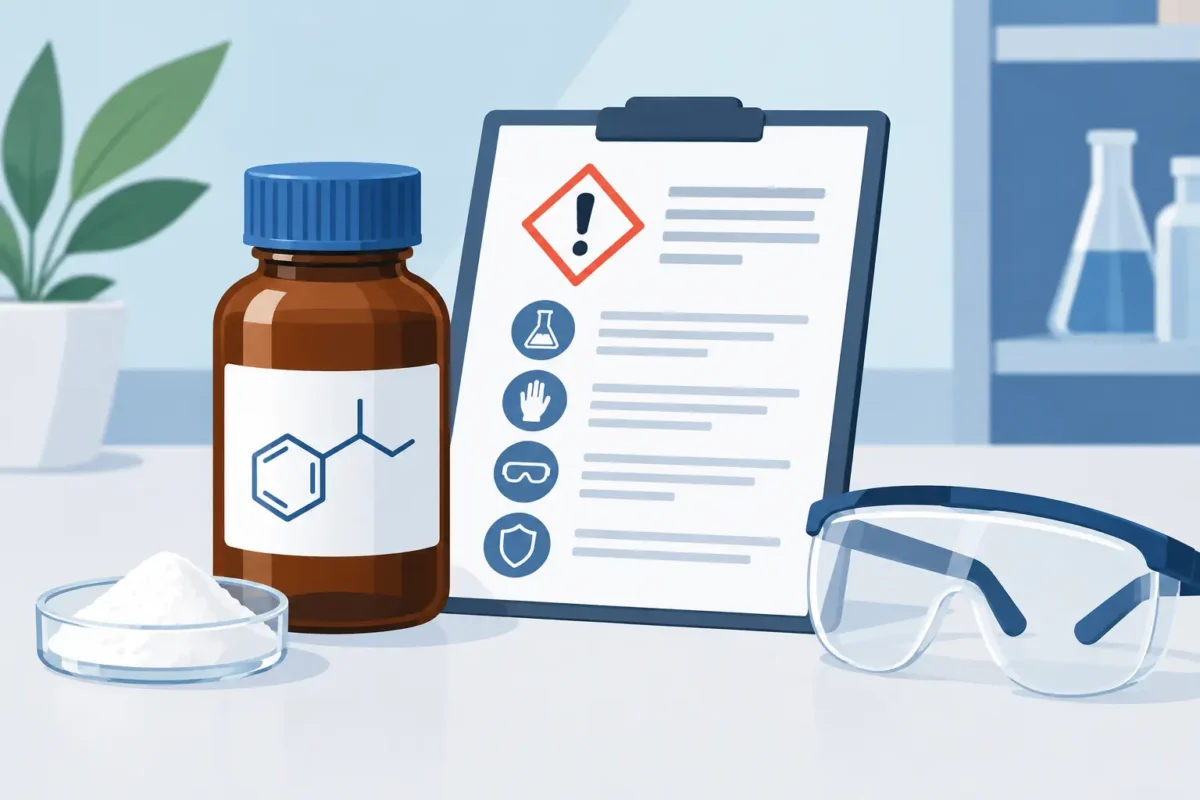
What an Ephedrine Safety Data Sheet Should Identify
Start at Section 1. Confirm the product identifier, chemical name, supplier details, emergency telephone number, and intended or advised-against uses. The product identity matters because ephedrine free base, ephedrine hydrochloride, and formulations containing other ingredients are not interchangeable from a documentation standpoint. The label, purchase record, certificate of analysis where applicable, and SDS should all point to the same material.
Next, check the listed composition and the Chemical Abstracts Service number. This is where a buyer can identify whether the document covers a single ephedrine salt or a mixture. If the container description and SDS do not match, stop handling and request corrected documentation. A generic PDF with a similar name is not an acceptable substitute for an exact, current SDS.
Section 2 covers hazard identification. The classification, signal word, hazard statements, precautionary statements, and pictograms must be read as a set. Regulatory classifications can vary by jurisdiction and product composition, so never copy a hazard label from an unrelated listing. Follow the label and SDS issued for the material actually received, along with applicable workplace and transport rules.
Exposure Control Begins Before Opening the Container
The safest handling plan is simple: keep the material identified, contained, and away from unnecessary contact. The SDS will specify exposure-control measures, including engineering controls and personal protective equipment. For powder handling, the practical concern is often preventing dust from reaching the eyes, skin, or respiratory system.
Work in an appropriate controlled area rather than on a kitchen counter, shared desk, or other casual surface. Avoid actions that generate dust, such as forceful pouring, shaking an open container, or using damaged packaging. Food, drinks, tobacco products, and personal items do not belong in the handling area. Wash thoroughly after work and before touching common surfaces.
PPE must match the task and the SDS, not personal preference. Depending on the work environment and assessment of exposure risk, this can include protective gloves, eye protection, protective clothing, and suitable respiratory protection. Respiratory protection is not a casual add-on. It requires the correct equipment, fit, training, and workplace program where required. If those controls are not available, the work should not proceed.
First Aid Information Is for Immediate Action
Section 4 of an ephedrine safety data sheet lays out the supplier’s first-aid instructions for inhalation, eye contact, skin contact, and ingestion. Read it before an incident, when there is time to verify details. In an actual exposure, remove the person from further contact with the material and follow the document’s instructions without delay.
For eye or skin contact, prompt rinsing is commonly central to first response, but the specified duration and additional steps should come from the SDS. Contaminated clothing should be managed as described in the document. If dust is inhaled or a person feels unwell, seek medical evaluation promptly and provide the product label or SDS to responders.
Do not attempt to diagnose stimulant effects, induce vomiting, or rely on online advice in place of poison-control, emergency, or clinical guidance. Symptoms such as chest pain, severe headache, fainting, seizures, marked agitation, breathing difficulty, or an irregular heartbeat require urgent emergency care. The safety document supports the response, but it does not replace professional medical assessment.
Spill Response: Contain, Protect, Document
A small spill can become a larger exposure event when rushed cleanup sends powder into the air. Section 6 should state the recommended cleanup method, PPE, containment measures, and disposal considerations. Secure the area first. Keep unprotected people away, eliminate unnecessary traffic through the space, and avoid dry sweeping or other actions that disperse dust.
Use the method specified by the SDS and your site procedures. Collected material, wipes, damaged packaging, and contaminated PPE may require controlled disposal. Do not wash unknown quantities into a drain or discard material in ordinary trash unless the applicable SDS and local requirements explicitly allow it.
After a spill, document what happened. Record the material identity, approximate amount, location, possible exposures, cleanup actions, and disposal route. This protects the people involved and helps correct the process failure that caused the release, whether it was poor packaging, a storage mistake, or inadequate training.
Storage Is a Control, Not an Afterthought
Section 7 is where a safety data sheet becomes an everyday inventory practice. Keep ephedrine material in its original, correctly labeled, tightly closed container unless a trained operation has an approved transfer procedure. Secondary containers need durable labels that preserve the product identity and relevant hazard information.
Store material in a cool, dry, secure location away from incompatible substances and conditions identified in the SDS. The right temperature range, humidity control, light protection, and segregation requirements depend on the exact product form and packaging. Do not guess. Follow the supplier’s documented storage conditions and maintain access controls appropriate to a regulated stimulant-related material.
Inventory discipline matters as much as physical storage. Track receipt dates, lot numbers, quantities, container condition, and authorized access. Separate damaged or questionable containers from usable inventory until they can be assessed. This approach helps preserve product traceability while reducing diversion, accidental mix-ups, and exposure risks.
Transport and Regulatory Sections Need Extra Attention
Sections 13 through 15 address disposal, transport, and regulatory information. These sections are particularly relevant for wholesale buyers, cross-border shipments, and any organization moving material between sites. Transport classification, packaging requirements, documentation, and legal controls can differ by destination, carrier, quantity, and whether the material is shipped alone or as part of a mixture.
Never treat an SDS as a blanket authorization to possess, import, export, resell, or ship ephedrine. Legal obligations can include licensing, recordkeeping, customer verification, reporting, controlled-chemical rules, and carrier restrictions. Verify the rules that apply at the destination before arranging movement or transfer. Discreet handling should never mean bypassing lawful declarations, secure documentation, or required compliance checks.
Keep the Current Version With the Material
An SDS has a revision date for a reason. Supplier information, emergency contacts, regulatory classifications, and handling recommendations can change. Keep the current document accessible to the people who receive, store, handle, or respond to incidents involving the product. If the document is incomplete, outdated, unreadable, or inconsistent with the label, request a replacement before proceeding.
For customers sourcing ephedrine materials through Ephedrine Powders or any supplier, the best practice is clear: match the SDS to the exact product and lot documentation, train the people who may encounter it, and make safe handling part of the purchasing decision rather than an afterthought. A well-maintained safety file does more than satisfy a requirement. It gives people the information they need to make careful decisions when the stakes are real.
