
Blog Posts
Ephedrine Versus Pseudoephedrine Side Effects
Nov
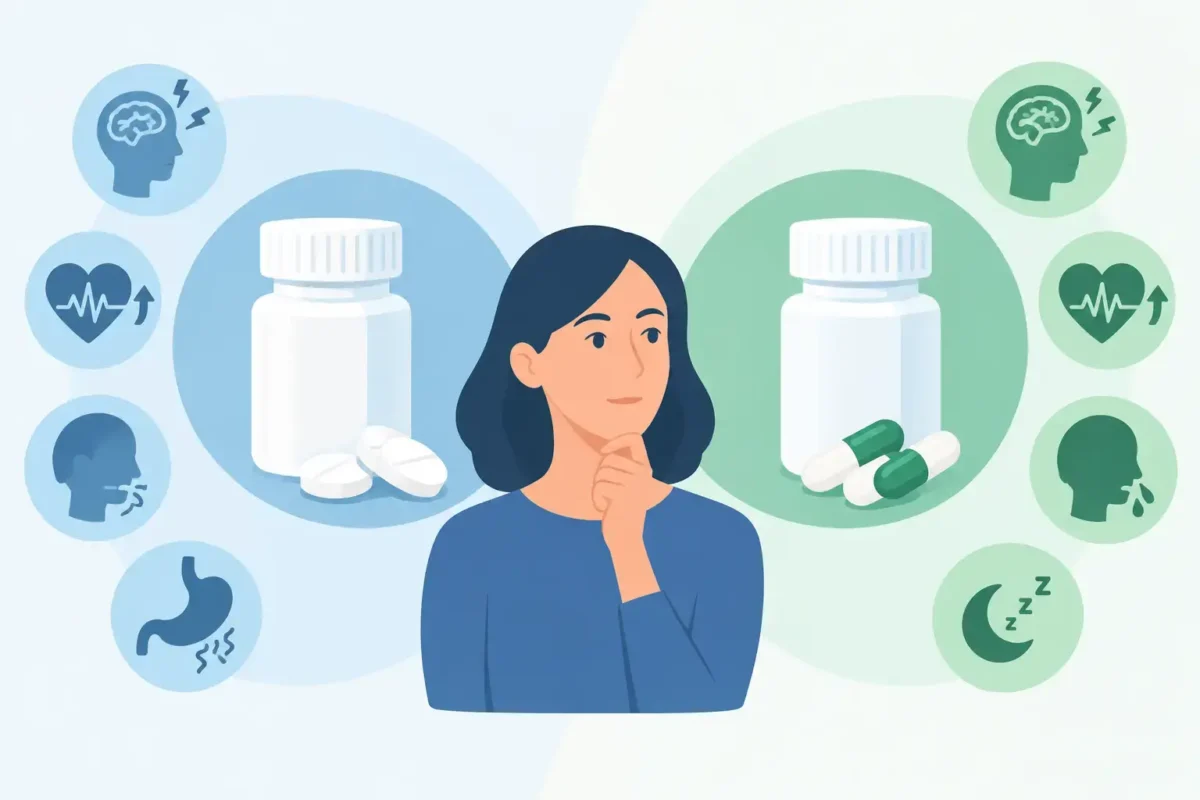
Ephedrine versus pseudoephedrine side effects can look similar at first: a faster heartbeat, trouble sleeping, dry mouth, shakiness, and feeling wired or uneasy. The difference is that ephedrine generally has stronger stimulant activity throughout the body, which can make its cardiovascular and nervous-system effects more pronounced. Neither compound is casual-use material, and risk rises quickly when strength, source, other medications, or a person’s health history are uncertain.
Both substances are sympathomimetics. In simple terms, they stimulate pathways associated with the body’s fight-or-flight response. Pseudoephedrine is most commonly recognized as a decongestant. Ephedrine has historically been used in more specialized medical settings and has broader stimulant effects. That distinction matters when assessing side effects, interactions, and warning signs.
Ephedrine versus pseudoephedrine side effects: the practical difference
Pseudoephedrine primarily reduces nasal swelling by narrowing blood vessels in the nasal passages. It can still affect the heart and brain, especially at higher exposure or in sensitive individuals, but its intended effect is more focused on congestion relief.
Ephedrine also narrows blood vessels, but it tends to produce a more noticeable whole-body stimulant response. It may increase alertness, tremor, pulse, blood pressure, and restlessness more strongly than pseudoephedrine. For someone with cardiovascular risk factors, anxiety, poor sleep, or stimulant sensitivity, that difference is not minor.
Side effects are not determined by the name on a label alone. Individual response can vary based on age, body size, medical conditions, hydration, tolerance, concurrent substances, and whether a product has been measured and handled appropriately. Unlabeled or loose powder creates an added safety problem: a person cannot safely assume identity, concentration, or uniformity from appearance alone.
Common effects shared by both compounds
At ordinary therapeutic exposure, pseudoephedrine may cause mild nervousness, insomnia, headache, nausea, dry mouth, sweating, or a sense of a pounding heart. Some people also experience urinary difficulty, particularly men with enlarged-prostate symptoms. These effects can become more troublesome when the compound is taken late in the day or combined with caffeine and other stimulants.
Ephedrine can cause the same effects, often with greater intensity. Tremor, agitation, palpitations, dizziness, appetite changes, and difficulty sleeping are common complaints. A person may mistake this stimulation for improved energy or performance while their heart rate and blood pressure are rising beyond a safe range.
A useful rule is that a side effect that is mild but persistent still deserves attention. Repeated insomnia, escalating anxiety, frequent palpitations, or a need to use more product for the same perceived effect can signal that continued use is becoming unsafe.
Sleep, mood, and anxiety effects
Both drugs can interfere with sleep by increasing central nervous system stimulation. The result may be difficulty falling asleep, waking repeatedly, vivid dreams, irritability, or next-day fatigue. That fatigue can lead people to add more caffeine or stimulants, creating a cycle of worsening symptoms.
People with panic disorder, generalized anxiety, bipolar disorder, or a history of stimulant-related mood symptoms may be especially vulnerable. Ephedrine can cause marked restlessness, irritability, or a feeling of being overstimulated. Pseudoephedrine can do the same, even though it is often treated as a routine cold-and-sinus medication.
Heart and blood pressure risks
The most serious concern with either compound is cardiovascular strain. Both can raise blood pressure and pulse, constrict blood vessels, and increase the heart’s workload. Ephedrine generally presents a higher stimulant burden, but pseudoephedrine is not automatically safe for people with hypertension or heart disease.
Higher-risk conditions include uncontrolled high blood pressure, coronary artery disease, irregular heart rhythm, heart failure, previous stroke, hyperthyroidism, and narrow-angle glaucoma. Diabetes and kidney disease can also complicate the picture. A person taking prescription medication for blood pressure should not assume that an over-the-counter decongestant or stimulant-like compound will be harmless.
Seek urgent medical care for chest pain, pressure or tightness in the chest, fainting, severe shortness of breath, a very rapid or irregular heartbeat, sudden weakness on one side of the body, confusion, or a severe sudden headache. These are not side effects to monitor at home.
Interactions that can make side effects worse
The risk profile changes substantially when ephedrine or pseudoephedrine is combined with other substances. Combining either one with caffeine, energy drinks, nicotine, amphetamine-type stimulants, cocaine, or certain weight-loss products can amplify elevated heart rate, anxiety, tremor, overheating, and blood-pressure spikes.
Some prescription medicines require particular caution. Monoamine oxidase inhibitors, or MAOIs, can produce dangerous blood-pressure reactions with sympathomimetic drugs. Certain antidepressants, ADHD medications, asthma medicines, thyroid replacement, and blood-pressure medicines may also alter effects or make side effects harder to predict. Alcohol may not cancel stimulant effects and can impair judgment about how unwell a person is becoming.
Medication labels and a pharmacist or clinician should be part of the decision before use, not after symptoms develop. This is especially true for people managing multiple prescriptions, because interactions are not always obvious from how a drug feels in the moment.
Why powder form requires extra caution
The comparison between ephedrine and pseudoephedrine becomes less predictable when dealing with bulk or powder material rather than a regulated, unit-dose medication. Small weighing errors can create large differences in exposure. Cross-contamination, inaccurate labeling, moisture damage, and uneven mixing can further change potency and risk.
Do not treat a powder’s color, texture, packaging, or seller description as proof of composition or safety. A product described as high purity may still be unsuitable for a particular individual, and purity alone does not remove the inherent risks of stimulant compounds. Storage also matters: heat, moisture, and poor labeling increase the chance of degradation, mix-ups, and accidental exposure.
Keep all stimulant and decongestant products secured away from children, pets, and anyone for whom they were not intended. Do not share them. Accidental ingestion can be especially dangerous in children and can require immediate poison-control or emergency evaluation.
Signs of overdose or severe toxicity
Overdose can occur intentionally or accidentally, including when someone takes repeated amounts because the expected effect did not occur quickly. Severe toxicity may involve intense agitation, confusion, hallucinations, vomiting, severe headache, high fever, seizures, dangerously high blood pressure, chest pain, or abnormal heart rhythm.
If overdose is suspected, call emergency services or Poison Control immediately. Do not wait for symptoms to worsen, and do not try to counteract the compound with alcohol, sedatives, more medication, or home remedies. If it can be done safely, provide responders with the product container, ingredient information, and an honest account of other substances taken.
When to avoid self-directed use
Self-directed use is a poor choice for anyone who is pregnant or breastfeeding, has significant heart or blood-pressure disease, has a history of substance misuse, or has previously experienced severe anxiety, palpitations, or insomnia from stimulants. The same caution applies to people using MAOIs or multiple stimulant-containing products.
For congestion, the safer answer may be a non-stimulant alternative selected with a pharmacist or clinician. For fatigue, weight control, or performance goals, stimulants can conceal exhaustion while increasing cardiovascular strain. The short-term feeling of energy does not show what is happening to blood pressure, heart rhythm, or sleep recovery.
The safest comparison is not which compound feels stronger, but whether either one is appropriate for the individual using it. If symptoms are new, escalating, or concerning, stop exposure and get qualified medical guidance before taking more.
