Blog Posts
Ephedrine Heart Rate Effects and Safer Use
Sep
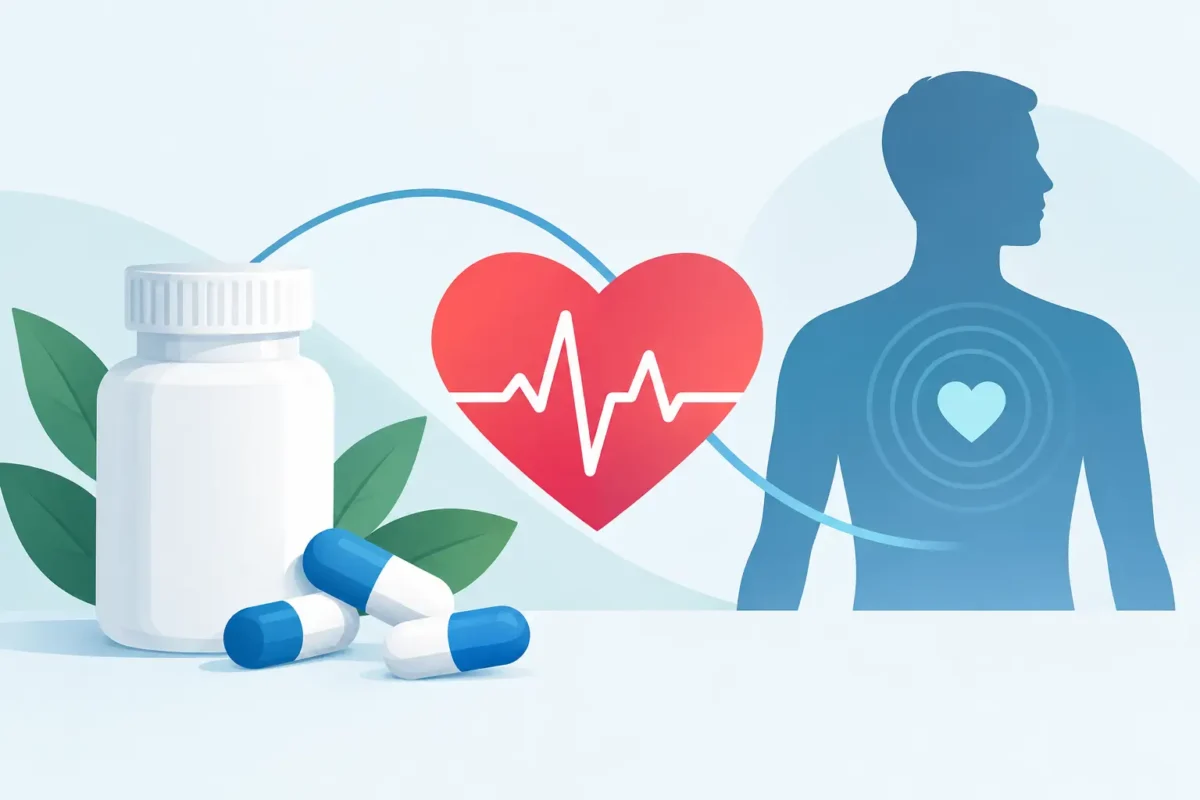
A resting pulse that suddenly feels fast, forceful, or irregular is not a minor detail to brush aside. Ephedrine heart rate effects can appear soon after use because ephedrine stimulates the sympathetic nervous system, the same system that prepares the body for action under stress. For some people, that means a noticeable but temporary increase in pulse. For others, it can mean palpitations, chest discomfort, severe anxiety, or a dangerous rhythm disturbance.
The difference often comes down to the person, the total stimulant load, underlying health conditions, and whether other medicines or substances are involved. Ephedrine should never be treated like an ordinary energy product. It is a potent sympathomimetic drug with real cardiovascular consequences.
Why Ephedrine Raises Heart Rate
Ephedrine increases the activity of norepinephrine, a chemical messenger that can raise heart rate, increase the force of each heartbeat, and tighten blood vessels. That combination can also elevate blood pressure. The body may interpret the drug effect as a stress response even when a person is sitting still.
A faster pulse is not automatically an emergency, but it is a meaningful sign that the cardiovascular system is responding. Some people describe a racing heartbeat. Others feel skipped beats, pounding in the chest or neck, shakiness, sweating, or shortness of breath. Anxiety can intensify these sensations, but anxiety should not be used to explain away heart-related symptoms without appropriate medical assessment.
The response can be unpredictable. A person who has tolerated ephedrine before may react differently after poor sleep, dehydration, illness, alcohol use, a change in medications, or use of another stimulant. Individual sensitivity matters as much as the amount used.
Ephedrine Heart Rate Effects: What Is Normal and What Is Not?
A modest, short-lived increase in pulse can occur with ephedrine exposure. However, there is no universally “safe” heart-rate number that applies to every adult using a stimulant. Baseline fitness, age, blood pressure, medical history, body temperature, and concurrent substances all change the risk picture.
Warning signs deserve more caution than the number on a smartwatch. Stop using the substance and seek urgent medical evaluation for chest pain, fainting, severe dizziness, new confusion, severe shortness of breath, weakness on one side of the body, or a sustained rapid or irregular heartbeat. These symptoms can signal more than a routine stimulant effect.
Palpitations that recur, persist, or occur with exertion also warrant a clinician’s review, even if they settle on their own. An electrocardiogram and blood-pressure check can help identify rhythm problems or other conditions that a home pulse reading cannot detect.
The risk is not limited to a high pulse
Ephedrine can raise blood pressure while increasing cardiac workload. That is particularly concerning for people with coronary artery disease, prior stroke, arrhythmias, heart failure, structural heart disease, or uncontrolled hypertension. In susceptible people, stimulant-driven changes in heart rate and pressure may contribute to serious events.
Risk can also be higher when there is an undiagnosed condition. A person may not know they have hypertension or an abnormal heart rhythm until a stimulant provokes symptoms. Feeling healthy is not the same as having a clear cardiovascular risk profile.
Factors That Make a Rapid Heartbeat More Likely
Stacking stimulants is one of the most common avoidable problems. Caffeine from coffee, pre-workout products, energy drinks, tea, and some headache remedies can add to ephedrine’s effect. Nicotine, cocaine, amphetamines, and certain supplements marketed for energy or weight loss can raise the risk further.
Some prescription and over-the-counter medicines also require caution. Decongestants, ADHD medications, bronchodilators, thyroid hormone, and some antidepressants may increase cardiovascular stimulation or complicate blood-pressure control. Monoamine oxidase inhibitors, known as MAOIs, are especially important because combining them with sympathomimetic drugs can cause a dangerous rise in blood pressure.
Alcohol is not a protective counterbalance. It can mask warning signs, worsen dehydration, impair judgment, and encourage additional use. Heavy exercise, heat exposure, fever, vomiting, and inadequate fluid intake can also make a racing heartbeat more concerning by increasing strain on the body.
People with panic disorder may experience more intense awareness of heartbeat changes, but they still need to take new symptoms seriously. The same applies to people with diabetes, glaucoma, enlarged prostate, thyroid disease, kidney disease, or a history of seizures. Ephedrine can affect more than one body system at once.
Monitoring Symptoms Without Creating False Reassurance
Checking pulse and blood pressure can provide useful information, particularly for a person under medical supervision, but monitoring is not a substitute for clinical care. Consumer wearables can misread irregular rhythms, and a normal-looking pulse at one moment does not rule out episodic arrhythmia or blood-pressure spikes.
Pay attention to the full pattern: when symptoms started, whether they follow exertion or another substance, how long they last, and whether chest pain, breathlessness, dizziness, or fainting occurs. This information is more useful to a clinician than a single isolated heart-rate reading.
Do not attempt to “balance out” a rapid heartbeat by taking sedatives, alcohol, additional drugs, or unverified supplements. Combining substances can obscure symptoms and create new risks. If a clinician has prescribed ephedrine for a legitimate medical reason, contact that clinician or a pharmacist before making changes, unless emergency symptoms are present.
Product Strength, Labels, and Uncertain Exposure
For stimulant-related products, assumptions about strength can be dangerous. Different forms, preparations, and labeling practices may not translate into equivalent exposure. A claim of purity or pharmaceutical quality does not remove ephedrine’s inherent cardiovascular effects, and an uncertain source increases the possibility of inaccurate labeling, contamination, or unexpected concentration.
This is especially relevant with powders and bulk chemical materials. Small measurement errors can create large differences in exposure. Handling or repackaging does not make a potent stimulant easier to predict, and it is not an appropriate setting for self-directed experimentation. Adults considering any ephedrine-containing product should understand applicable laws and use only products prescribed or specifically approved by a qualified clinician for their situation.
When to Get Immediate Help
Call emergency services right away if there is chest pressure or pain, fainting, a seizure, severe trouble breathing, blue or gray lips, sudden severe headache, confusion, or a heartbeat that is very fast and does not settle. Do not drive yourself if you feel faint, confused, or have chest symptoms.
If an overdose or accidental exposure is possible, contact Poison Control in the United States at 1-800-222-1222 for immediate expert guidance. Be prepared to state what was taken, when it was taken, the estimated amount if known, and what symptoms are present. Do not induce vomiting unless instructed by a medical professional.
For symptoms that are less severe but new or recurring, arrange prompt medical evaluation. A clinician can assess blood pressure, heart rhythm, medication interactions, thyroid function, and other factors that may be contributing. That assessment is far more reliable than trying to judge cardiovascular safety from past experience or online anecdotes.
A fast heartbeat is the body asking for attention, not a performance metric to push through. Treat ephedrine-related palpitations as a reason to pause, remove other stimulants from the equation, and get qualified medical advice before any further exposure.
