Blog Posts
Ephedrine Overdose Symptoms: When to Get Help
Sep
A racing heart after ephedrine is not something to dismiss, especially when it is paired with chest pressure, confusion, severe agitation, or overheating. Ephedrine overdose symptoms can begin quickly and may become life-threatening without prompt care. If someone has collapsed, is having a seizure, has trouble breathing, or has chest pain, call 911 immediately.
Ephedrine is a stimulant that can sharply raise heart rate, blood pressure, body temperature, and nervous-system activity. The risk is higher with concentrated materials, repeated use, unknown potency, dehydration, underlying heart conditions, or combinations with other stimulants and medications. Fast action matters more than trying to determine exactly how much was taken.
Ephedrine Overdose Symptoms to Recognize
An overdose does not always look the same. One person may become intensely anxious and shaky, while another develops dangerous heart rhythm changes with little warning. Symptoms can also worsen over time as the body absorbs more of the substance.
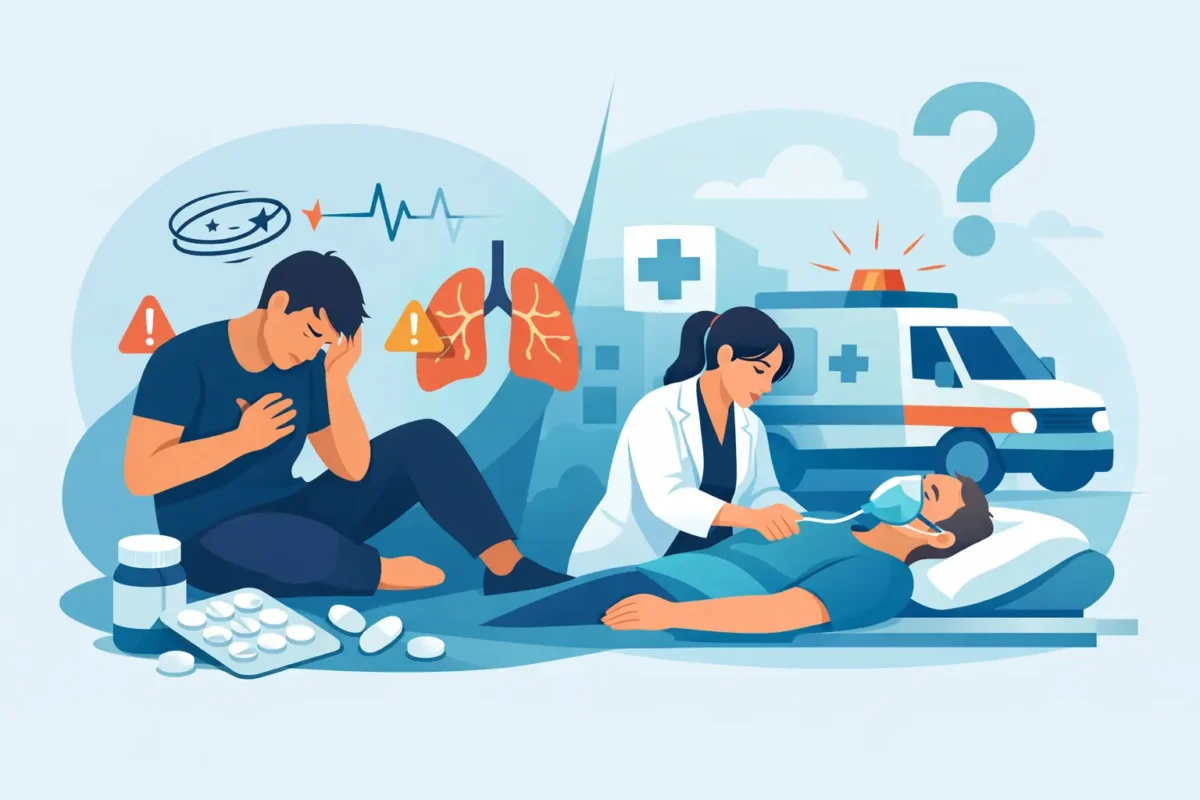
Early or moderate warning signs may include a pounding or irregular heartbeat, tremor, sweating, severe nervousness, restlessness, nausea, vomiting, headache, dizziness, and trouble sleeping. Someone may appear unusually talkative, panicked, confused, or unable to sit still. High blood pressure can produce a severe headache, blurred vision, or a feeling of pressure in the head or chest.
More serious ephedrine overdose symptoms include chest pain, fainting, severe shortness of breath, extreme agitation, hallucinations, seizures, very high body temperature, weakness on one side of the body, slurred speech, or loss of consciousness. These can signal a heart attack, stroke, dangerous arrhythmia, heat injury, or severe stimulant toxicity.
Do not assume that a person is safe because they are awake and talking. A person with a very rapid pulse, chest discomfort, worsening confusion, or uncontrolled shaking needs urgent medical assessment. Stimulant-related complications can develop even in people who do not have a known medical history.
What to Do if an Overdose Is Suspected
Call 911 right away for severe symptoms. In the United States, Poison Control can also provide immediate guidance at 1-800-222-1222 when the person is awake, breathing normally, and not experiencing a clear emergency. Be direct about what was taken, when it may have been taken, and whether alcohol, caffeine, decongestants, prescription medications, or other substances may be involved.
While waiting for help, keep the person in a calm, cooler area and stay with them. Do not let them drive, operate equipment, take more substances, or attempt to “walk it off.” If they are overheated, remove excess clothing and use cool air or cool damp cloths, but do not force them into an ice bath.
If vomiting occurs, position the person on their side if they are drowsy or unable to sit upright safely. If they have a seizure, move hard objects away from them, protect their head, and do not place anything in their mouth. If they become unconscious and are not breathing normally, begin CPR if you are trained and follow emergency dispatcher instructions.
Do not induce vomiting, force fluids, give sedatives, or try to counteract ephedrine with alcohol, cannabis, opioids, or another drug. These responses can add new risks and make emergency treatment more difficult. Keep any packaging or available product information for first responders, but do not delay the call to look for it.
Why heart symptoms require urgent attention
Ephedrine stimulates the cardiovascular system. That effect may feel like a strong rush, but it can also strain the heart and blood vessels. A rapid heart rate can progress to an irregular rhythm. Elevated blood pressure can contribute to stroke or cardiac complications, particularly in people with hypertension, heart disease, thyroid conditions, or a history of stimulant sensitivity.
Chest pain after ephedrine should always be treated as urgent. It is not possible to tell at home whether the cause is anxiety, a blood-pressure spike, an abnormal rhythm, or reduced blood flow to the heart. The safest decision is emergency evaluation.
Mental and neurologic symptoms are not “just anxiety”
Panic, paranoia, intense irritability, hallucinations, and confusion can occur with stimulant toxicity. So can tremors, severe headaches, and seizures. A person may insist they are fine while behaving in a way that shows impaired judgment or escalating distress.
Avoid arguing or trying to physically restrain an agitated person unless immediate safety requires it. Speak calmly, reduce noise and stimulation, and call for medical help. If there is a risk of violence, keep a safe distance and tell emergency dispatch what is happening.
Factors That Raise the Risk
Overdose risk is not limited to one large exposure. It can result from repeated use over a short period, mismeasured material, changes in tolerance, or a product that is not what the label suggests. Powdered substances create an additional concern because very small measuring errors can have significant consequences.
Mixing is one of the most common ways risk rises. Caffeine, energy products, nicotine, cocaine, amphetamine-type stimulants, and some workout or weight-loss products can compound ephedrine’s effects on the heart and blood pressure. Certain cold medicines may also contain stimulant-like ingredients. Alcohol can mask warning signs and impair judgment, leading a person to take more than intended.
Prescription medications matter as well. Some antidepressants, attention medications, blood-pressure medicines, asthma products, thyroid medications, and monoamine oxidase inhibitors can interact in clinically significant ways. A person taking any prescription medication should speak with a qualified clinician or pharmacist before using a stimulant product.
Health status changes the equation. Risk may be greater for people with cardiovascular disease, high blood pressure, glaucoma, diabetes, anxiety disorders, hyperthyroidism, kidney disease, or a history of seizures. Pregnancy and breastfeeding also require medical guidance rather than self-directed stimulant use.
What Emergency Care May Involve
Emergency clinicians focus on stabilizing the person and treating the symptoms that present. This may include monitoring heart rhythm, blood pressure, temperature, oxygen levels, and mental status. Blood tests, an electrocardiogram, IV fluids, cooling measures, and medications may be used depending on the situation.
There is no benefit in withholding information because of embarrassment or fear of judgment. Medical teams need accurate details to identify interactions, anticipate complications, and choose the safest treatment. Their immediate priority is keeping the person alive and preventing further harm.
If symptoms improve before help arrives, still follow through with professional guidance. A fading sense of panic does not rule out abnormal blood pressure, rhythm problems, or delayed complications. Poison Control or emergency clinicians can help determine the appropriate next step based on the facts of the exposure.
Preventing Another Emergency
The most reliable way to prevent stimulant overdose is not to use ephedrine outside qualified medical direction. Never treat a prior dose as proof that a future exposure will be tolerated. Sleep loss, dehydration, illness, alcohol, medication changes, and other stimulants can alter the response dramatically.
Keep stimulant-related products away from children, pets, and anyone who may mistake them for another substance. Store materials in their original, clearly marked container and never transfer them to food or drink containers. If a product has unclear labeling, an unexpected appearance, or uncertain identity, do not rely on assumptions about its contents or strength.
A quick emergency call can feel like an overreaction in the moment. With ephedrine overdose symptoms, it is often the decision that prevents a temporary stimulant reaction from becoming a cardiac, neurologic, or heat-related crisis.
