
Blog Posts
When Do Palpitations Need Care? Warning Signs
Nov
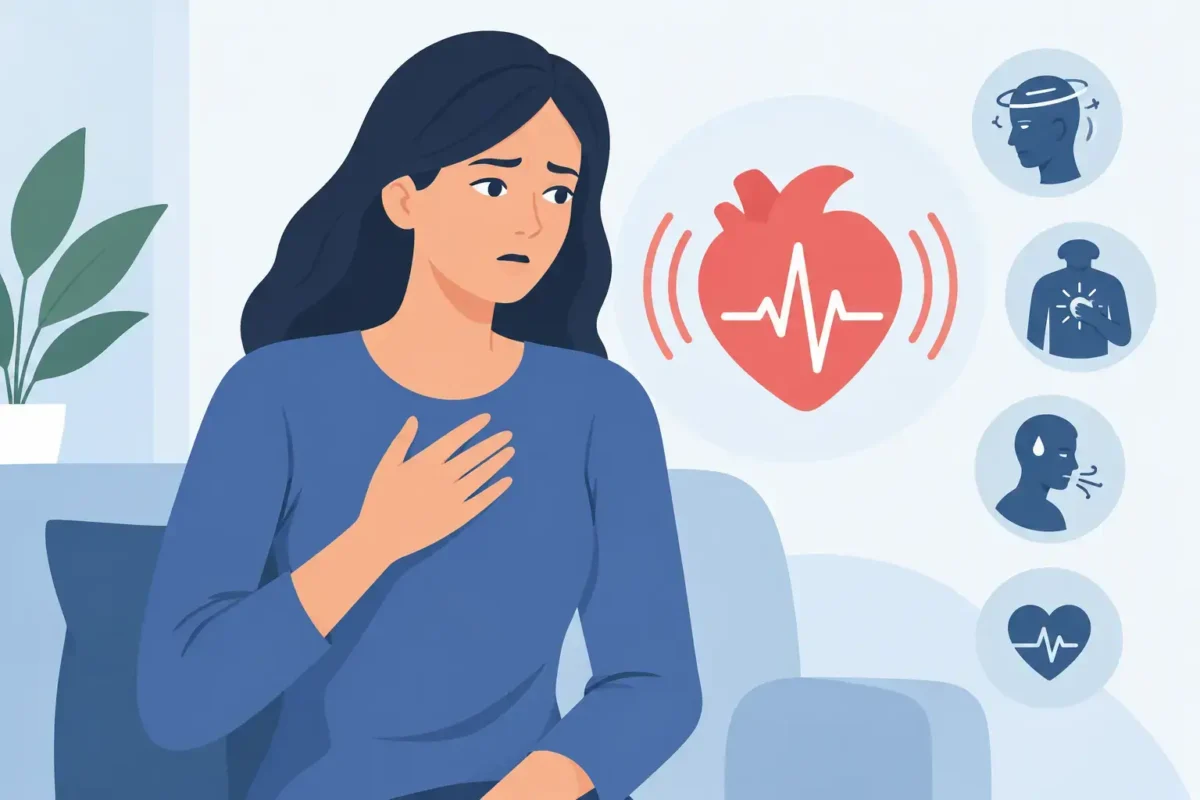
A sudden hard thump in the chest can make everything else stop. You may notice a skipped beat, a rapid flutter, or a heartbeat that feels unusually forceful. Knowing when do palpitations need care matters most when symptoms occur after a stimulant, medication change, dehydration, intense exercise, or a period of poor sleep.
Palpitations are a sensation, not a diagnosis. Many are brief and harmless, but some can be the first warning of a heart rhythm problem, a dangerous drug reaction, or a medical emergency. The right response depends on what the heartbeat feels like, how long it lasts, what other symptoms appear, and your personal health history.
When Do Palpitations Need Care Right Away?
Call 911 or seek emergency care now if palpitations come with chest pain, chest pressure, shortness of breath, fainting, near-fainting, severe dizziness, confusion, new weakness, or a cold sweat. Do not drive yourself if you feel faint, disoriented, or too unwell to travel safely.
The same rule applies if your heart is racing or beating irregularly and does not settle after a few minutes of resting, especially if the rate feels very fast or the episode is worsening. A sustained abnormal rhythm can reduce blood flow to the brain and other organs. It is not something to monitor at home while hoping it passes.
Get urgent evaluation if palpitations begin after taking a stimulant, combining substances, or using more than intended. Ephedrine and pseudoephedrine can raise heart rate and blood pressure. Risk rises further when they are combined with caffeine, nicotine, pre-workout products, decongestants, ADHD medications, certain antidepressants, thyroid medication, or illicit stimulants. Alcohol and dehydration can also make an unstable situation worse.
If someone collapses, has a seizure, cannot be awakened, or has trouble breathing, call 911 immediately. Do not give them more substances, food, drink, or medication unless emergency professionals instruct you to do so.
Warning Signs That Should Not Be Ignored
Palpitations deserve prompt medical attention, even if they stop, when they are new, recurrent, or clearly different from your usual pattern. This is particularly true for adults with high blood pressure, heart disease, diabetes, thyroid disease, sleep apnea, anemia, a known rhythm disorder, or a family history of sudden cardiac death.
Pay attention to the setting. A single skipped beat during a stressful day may be less concerning than a rapid, irregular heartbeat that starts at rest or wakes you from sleep. Repeated episodes after stimulant exposure are also a clear signal to stop using the suspected trigger and speak with a clinician.
Arrange same-day or prompt medical care if you notice palpitations alongside persistent fatigue, reduced exercise tolerance, swelling in the legs, fever, unexplained weight loss, or signs of dehydration. These symptoms do not automatically mean a serious heart problem, but they can point to an underlying condition that needs testing.
A Pattern Matters More Than One Sensation
People often describe palpitations differently: pounding, fluttering, flip-flopping, racing, missed beats, or a vibrating feeling in the chest. The description helps, but the pattern is often more useful. Note whether the episode starts suddenly or gradually, lasts seconds or hours, happens at rest or during exertion, and feels regular or uneven.
A brief sensation that occurs once may not require an emergency visit. But frequent episodes, increasing intensity, or symptoms that interfere with sleep, work, exercise, or daily activities warrant a medical review. A clinician may check blood pressure, perform an electrocardiogram, order blood work, or use a wearable monitor to capture the rhythm during an episode.
Stimulants Can Turn a Mild Symptom Into a Serious One
Stimulant-related palpitations are not always predictable. One person may feel only a faster pulse, while another may develop severe anxiety, dangerously elevated blood pressure, chest pain, or an abnormal rhythm. Product strength, individual sensitivity, health conditions, hydration, sleep, and other substances all change the risk.
Do not treat a racing heart by taking another dose, adding caffeine, using alcohol to calm down, or taking someone else’s prescription medication. These choices can mask symptoms or worsen the underlying problem. If palpitations begin after a substance, stop further use and avoid additional stimulants until you have been assessed.
People using ephedrine-related products should be especially careful about stacking ingredients. Cough and cold products, energy drinks, fat-loss blends, nicotine, and some workout supplements may contain compounds that increase cardiovascular strain. Labels do not eliminate risk, and a product marketed as a supplement is not automatically safe to combine with stimulant medication or stimulant chemicals.
What to Do During a Non-Emergency Episode
If there are no emergency warning signs, stop what you are doing and sit or lie down in a safe place. Slow your breathing and avoid exertion. Do not continue a workout, drive, operate equipment, or take more stimulant products while your heart feels abnormal.
A few practical details can make a medical evaluation far more useful. Record the time the symptoms started, the approximate duration, what you had eaten or taken that day, and any associated symptoms such as dizziness, nausea, chest discomfort, or shortness of breath. If you have a home blood pressure monitor or wearable device, save the reading, but do not let a normal-looking number override severe symptoms.
Drink water only if you are awake, able to swallow normally, and not vomiting. Hydration may help when dehydration is part of the problem, but it is not a treatment for a dangerous rhythm disturbance. Avoid caffeine, nicotine, alcohol, decongestants, and recreational drugs until the situation is clear.
When Do Palpitations Need Care From a Clinician?
Schedule a medical appointment soon if palpitations keep returning, last longer than a few minutes, occur during exercise, or appear after a new medication or substance exposure. You should also be evaluated if you have never had palpitations before and cannot identify an obvious, short-lived cause.
Be direct about stimulant use, over-the-counter products, supplements, and other substances. That information is medically relevant, not a moral test. Accurate details help clinicians identify interaction risks and choose the right tests. Bringing product packaging or a complete list of ingredients can be useful when possible.
There is a trade-off between waiting for a clearer pattern and getting checked early. For someone young, healthy, and experiencing a single brief episode after too much coffee, a nonurgent appointment may be reasonable if symptoms fully resolve. For someone with cardiac risk factors, repeated symptoms, or exposure to multiple stimulants, earlier evaluation is the safer choice.
Do Not Rely on Reassurance Alone
Anxiety can cause palpitations, and palpitations can cause anxiety. Both can be true at once. But anxiety should not be used to explain away chest pressure, fainting, severe breathlessness, or an irregular heartbeat after stimulant exposure. Serious causes must be ruled out first.
Likewise, feeling better after the episode ends does not prove that it was harmless. Some rhythm problems are intermittent. A medical professional may recommend monitoring precisely because the heart can look normal between episodes.
Protecting Your Heart Going Forward
If palpitations have occurred after a particular substance or combination, treat that as meaningful information. Avoid repeating the exposure while waiting for medical guidance. More is not safer, and trying to recreate symptoms to see whether they return can create a real emergency.
Keep sleep, fluids, meals, and stress management as consistent as possible, since all can influence heart rhythm sensations. If you have a history of high blood pressure or heart symptoms, regular checks and honest medication reviews are more useful than guessing which ingredient is responsible.
A pounding or fluttering heart deserves respect. If warning signs are present, act immediately. If the episodes recur or change, get evaluated before the next one decides the timing for you.
