Blog Posts
Ephedrine Contraindications in Heart Disease
Sep
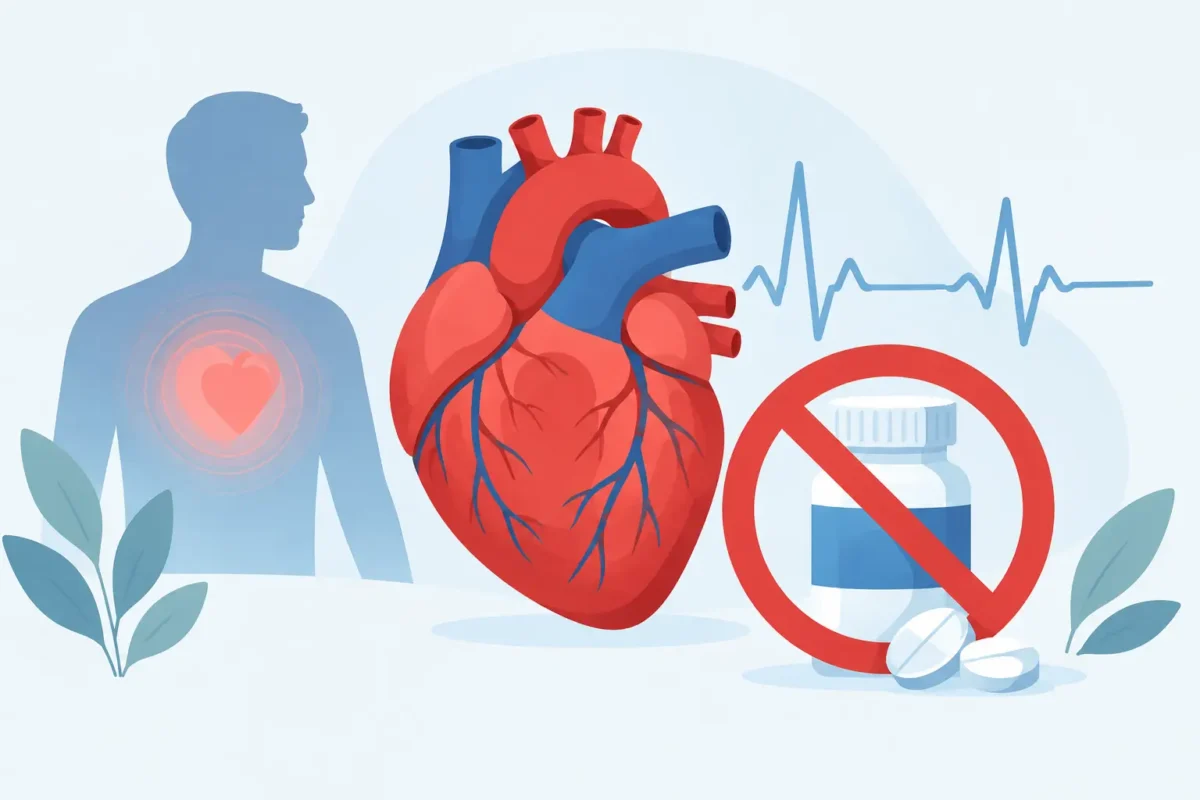
A racing pulse after ephedrine is not always a minor side effect. For a person with reduced blood flow to the heart, an abnormal rhythm, uncontrolled hypertension, or structural heart disease, it can be an early sign that the cardiovascular system is being pushed beyond a safe limit. Understanding ephedrine contraindications heart disease patients face means looking past the immediate stimulant effect and considering the strain it places on heart rate, blood pressure, and oxygen demand.
Ephedrine acts on the sympathetic nervous system. It can increase norepinephrine activity, tighten blood vessels, raise blood pressure, and accelerate the heartbeat. Those effects may be clinically useful in tightly monitored medical settings, but they can be dangerous when someone has a known cardiac condition, an undiagnosed risk factor, or is combining it with another stimulant or interacting medication.
Why ephedrine can be risky for the heart
The core issue is demand. When ephedrine raises heart rate and blood pressure, the heart has to work harder and requires more oxygen. In a healthy person, that response may be tolerated for a limited period. In someone with narrowed coronary arteries, impaired pumping function, or an unstable electrical rhythm, that additional demand can trigger chest pain, dangerous palpitations, shortness of breath, fainting, or a more serious cardiac event.
Risk is not determined by diagnosis alone. Age, nicotine use, dehydration, kidney disease, diabetes, sleep deprivation, and a family history of early cardiac disease can all change the picture. So can the actual identity and concentration of a stimulant product. A powder that has not been accurately identified and measured creates an extra layer of uncertainty because unexpected potency can produce a much stronger cardiovascular response than anticipated.
Ephedrine contraindications in heart disease
For people with certain conditions, ephedrine should generally be avoided unless a qualified clinician has made a specific decision to use it under supervision. The following situations deserve particular caution.
Coronary artery disease and angina
Coronary artery disease limits blood flow through vessels that supply the heart muscle. Ephedrine can raise oxygen demand at the same time that it constricts blood vessels. That mismatch can bring on angina – pressure, tightness, burning, or pain in the chest – and may contribute to ischemia, meaning the heart is not getting enough oxygen.
A history of a heart attack, coronary stent, bypass surgery, or recurrent exertional chest discomfort should be treated as a serious warning. Feeling stable on a normal day does not mean a stimulant is safe. Cardiac symptoms can be silent in some people, particularly those with diabetes.
Arrhythmias and palpitations
Ephedrine can increase automaticity in the heart and make it easier for abnormal rhythms to develop or worsen. That is especially concerning for people with atrial fibrillation, supraventricular tachycardia, ventricular arrhythmias, long QT concerns, or a history of unexplained fainting.
Some people describe stimulant-related palpitations as a harmless flutter. They are not automatically harmless. A skipped beat can be benign, but sustained pounding, an irregular rhythm, dizziness, chest pain, or near-fainting requires medical assessment. The risk rises further when ephedrine is combined with caffeine, nicotine, pre-workout products, decongestants, amphetamine-type stimulants, or recreational drugs.
High blood pressure
Uncontrolled hypertension is one of the clearest reasons to avoid ephedrine. Because it can constrict blood vessels and increase cardiac output, it may cause sharp or unpredictable rises in blood pressure. A person may not feel that increase until a headache, visual change, chest symptom, or neurologic problem develops.
Even treated hypertension needs individualized review. Blood pressure medication may bring readings into range at rest, yet ephedrine can still counteract treatment or create a significant rise during activity, stress, or stimulant stacking. Do not assume that a single normal reading means cardiovascular risk has disappeared.
Heart failure, cardiomyopathy, and valve disease
Heart failure and cardiomyopathy reduce the heart’s ability to handle extra workload. Ephedrine may worsen fluid-related symptoms, provoke tachycardia, or reduce the time the heart has to fill between beats. In people with hypertrophic cardiomyopathy or significant valve disease, faster heart rates and altered blood pressure can be particularly problematic.
Symptoms such as worsening breathlessness, new ankle swelling, needing more pillows to sleep, or reduced exercise tolerance are not conditions to push through with a stimulant. They are reasons to contact a clinician promptly.
Prior stroke, peripheral artery disease, or aneurysm
Although these are not always labeled as heart disease, they often reflect significant vascular disease. Sudden blood pressure elevation and blood vessel constriction can be dangerous for people with a prior stroke or transient ischemic attack, peripheral artery disease, or an aneurysm. The relevant concern is broader than the heart alone: ephedrine affects the entire cardiovascular system.
Medication combinations that raise the stakes
Heart risk often comes from the combination rather than ephedrine in isolation. Monoamine oxidase inhibitors are a major concern because they can markedly amplify sympathomimetic effects. Certain antidepressants, prescription stimulants, bronchodilators, thyroid hormone, and some cold and allergy products can also increase heart rate or blood pressure.
Beta-blockers, blood pressure drugs, and antiarrhythmics do not automatically make ephedrine safe. In some cases, they can mask warning signs; in others, competing effects on the cardiovascular system can complicate the response. A pharmacist or prescribing clinician should review all prescription medication, over-the-counter products, supplements, and stimulant use before ephedrine is considered.
Alcohol is also not a protective workaround. It can impair judgment, worsen dehydration, and make it harder to recognize early symptoms. Energy drinks and high-caffeine beverages are a particularly common avoidable combination because people may underestimate their cumulative stimulant load.
Warning signs that need urgent care
Do not wait for symptoms to become dramatic if a stimulant has been used and heart symptoms begin. Call emergency services immediately for chest pressure or pain, severe shortness of breath, fainting, new weakness on one side of the body, trouble speaking, confusion, or a severe sudden headache.
Urgent medical evaluation is also appropriate for a sustained fast or irregular heartbeat, severe dizziness, persistent vomiting with palpitations, or markedly elevated blood pressure if it is known. Tell responders what was taken, approximately when it was taken, and whether caffeine, nicotine, medications, or other substances were involved. Accurate information helps clinicians treat the situation safely.
Do not attempt to manage a suspected cardiac reaction by taking more substances to slow down, sleep, or counteract the effect. Mixing additional drugs can make the situation less predictable and delay necessary care.
A practical screening approach before any exposure
Anyone with a heart diagnosis should treat ephedrine as a clinician-review issue, not a self-assessment exercise. That includes people who had a cardiac event years ago and feel well now. A proper review considers the condition itself, current blood pressure control, symptoms, medication list, family history, and whether there are unrecognized risks such as sleep apnea or stimulant-related anxiety.
For people without a known diagnosis, repeated palpitations, exertional chest discomfort, unexplained shortness of breath, fainting, or consistently high blood pressure warrant evaluation before exposure to any sympathomimetic stimulant. There is no dependable way to judge cardiovascular safety based on fitness level, body size, or previous tolerance alone.
The safest decision is often the simplest one: if heart disease is known, suspected, or poorly controlled, avoid ephedrine until a medical professional who knows the full clinical picture has advised otherwise. A short-lived stimulant effect is never worth gambling against the heart’s limited margin for error.
