Blog Posts
Drug Interactions That Can Turn Serious Fast
Nov
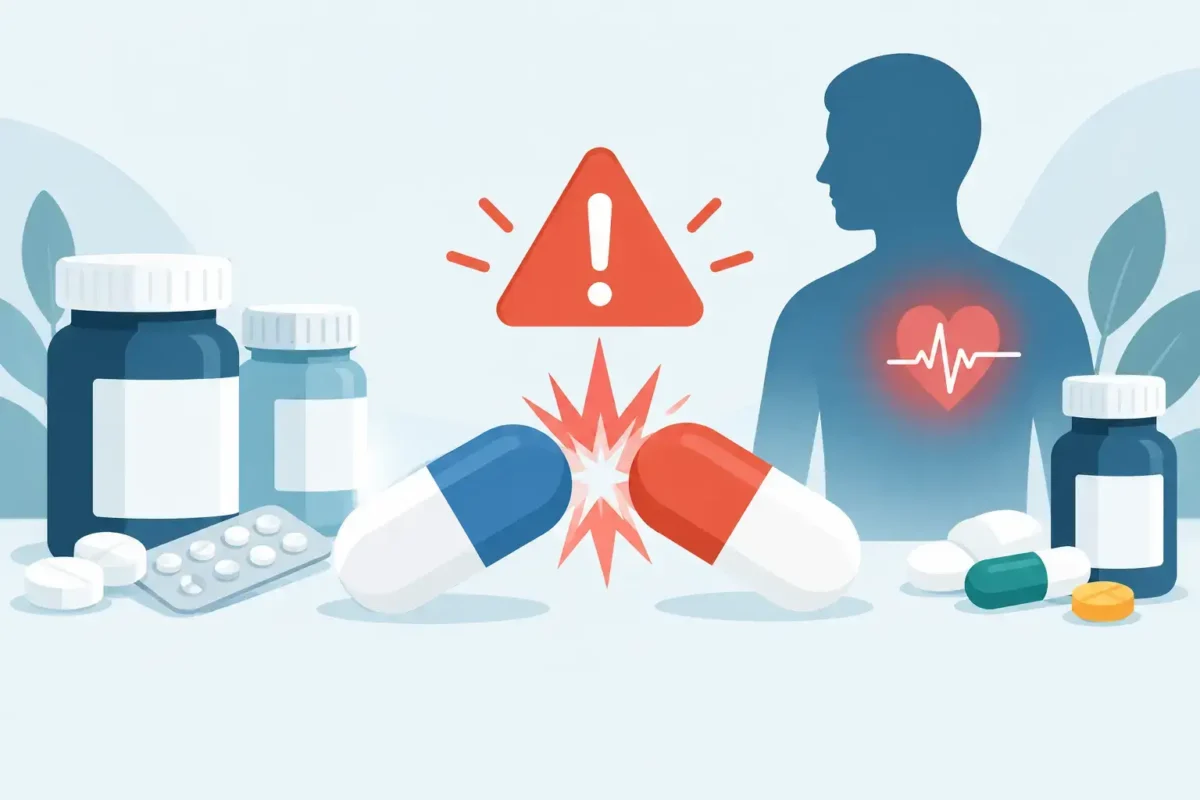
A stimulant can feel predictable until another substance changes the equation. Drug interactions are not limited to prescription medicines or obvious combinations. Cold remedies, pre-workout formulas, antidepressants, pain medicine, alcohol, caffeine, supplements, and recreational drugs can all alter how the body responds. For anyone handling stimulant-related compounds, the main risks are often a racing heart, dangerously high blood pressure, overheating, severe agitation, breathing problems, or loss of consciousness.
The safest approach is simple: do not assume a product is compatible because it is sold over the counter, labeled natural, or used by someone else without trouble. Ingredient overlap and individual health factors matter. A combination that causes mild anxiety in one person may trigger a medical emergency in another.
Why Drug Interactions Happen
An interaction occurs when one substance changes the effects, absorption, breakdown, or elimination of another. Sometimes the result is reduced effectiveness. In higher-risk cases, effects stack up and place excessive strain on the heart, brain, liver, kidneys, or respiratory system.
With stimulant products, the concern is usually additive stimulation. Two products that each increase pulse, blood pressure, alertness, or body temperature can become far more hazardous together than either product alone. This is especially true when doses are repeated too close together, when a person is dehydrated, or when the product amount is uncertain.
Not every interaction is caused by two drugs taken at the same moment. Some medicines remain active for days or weeks. Certain antidepressants, for example, can continue affecting brain chemicals after a person stops taking them. A medication review must include recent use, not just what was taken that day.
Drug Interactions With Stimulant Compounds
Ephedrine and pseudoephedrine are sympathomimetic stimulants, meaning they can activate the body systems involved in alertness, heart rate, and blood-vessel constriction. That effect is why combinations require care. Adding another stimulant can sharply increase cardiovascular and neurological stress.
Other stimulants and caffeine
Caffeine is the interaction many people dismiss because coffee, energy drinks, tea, and pre-workout products are common. But concentrated caffeine, repeated energy drinks, fat-burner blends, nicotine, ADHD stimulants, and cocaine can all intensify stimulant effects. Possible signs include tremor, chest tightness, panic, insomnia, irregular heartbeat, and overheating.
The issue is not only the ingredient named on the front label. A pre-workout or performance supplement may contain multiple stimulants, botanical extracts, or undisclosed proprietary blends. Combining products without a complete ingredient list is a poor risk decision.
MAOIs and certain antidepressants
Monoamine oxidase inhibitors, known as MAOIs, are among the most serious interaction concerns with sympathomimetic stimulants. Combining them can cause a dangerous rise in blood pressure, severe headache, chest pain, confusion, or stroke-like symptoms. This risk can remain after an MAOI has been discontinued, so medical guidance is needed before considering any stimulant exposure.
Other antidepressants may also affect blood pressure, heart rhythm, anxiety, or serotonin activity. The exact risk depends on the medicine, dose, health history, and other substances involved. Do not make a compatibility decision based on a quick online claim or a friend’s experience.
Decongestants and cold medicines
Many cold, flu, allergy, and sinus products contain decongestants such as pseudoephedrine or phenylephrine. Taking separate products for congestion, cough, daytime cold relief, or sinus pressure can accidentally duplicate stimulant-like ingredients. This is one of the easiest ways to create an unplanned interaction.
Read every active-ingredient panel. Brand names are less useful than the actual ingredient list, since two products with different packaging may contain similar compounds.
Blood pressure, heart, and thyroid medicines
Stimulants can work against medicines intended to lower blood pressure or control heart rhythm. They may also worsen symptoms in people with coronary artery disease, arrhythmias, heart failure, hyperthyroidism, glaucoma, or a history of stroke. Even a person with no diagnosis can have an unrecognized cardiovascular condition.
If a medication is being used for blood pressure, heart rate, chest pain, thyroid disease, or circulation, do not treat stimulant use as a casual add-on. Speak with a pharmacist or prescribing clinician first. This is a situation where the details matter more than general advice.
Alcohol, sedatives, and opioids
Alcohol and sedating drugs do not cancel out stimulant risk. Instead, they can mask warning signs and impair judgment. A person may feel less intoxicated or more capable than they actually are, then take additional substances, drive, exercise intensely, or delay getting help.
Opioids, benzodiazepines, sleep aids, and other central nervous system depressants carry their own overdose and breathing risks. Mixing multiple drug classes makes the outcome less predictable. If someone is hard to wake, breathing slowly, confused, blue around the lips, having a seizure, or experiencing chest pain, emergency help is needed immediately.
Interactions Are Not Only About Medicines
Health conditions, hydration, sleep deprivation, and physical exertion can change how a substance affects the body. A stimulant that seems tolerable while resting may become dangerous during strenuous exercise, hot weather, illness, or a long period without sleep. Alcohol withdrawal, anxiety disorders, and poor food intake can also amplify adverse effects.
Age and body size are not reliable safety calculators. Neither is prior use. Tolerance to one effect does not mean the heart, blood vessels, or nervous system are protected from harm. Product purity and accurate labeling matter, but they do not eliminate interaction risk.
A Direct Check Before Combining Anything
Before using a medication, stimulant, supplement, or research chemical, build a complete list of what has been taken recently. Include prescriptions, over-the-counter products, vitamins, herbal products, nicotine, caffeine, alcohol, and recreational substances. Then bring that list to a pharmacist or clinician who can assess the specific combination.
Four details make that review more useful:
- The exact active ingredients and product strengths
- The amount used and the time of the last dose
- Any heart, blood pressure, mental health, liver, kidney, or thyroid condition
- Any recent medication changes, including medicines that were stopped
Be direct about stimulant use. Medical professionals can only identify risks they know about. Privacy concerns are understandable, but withholding a substance from an emergency or medication review can lead to the wrong treatment.
Warning Signs That Should Not Be Ignored
Stop using the substance and seek urgent medical evaluation for chest pain, fainting, severe shortness of breath, a very fast or irregular heartbeat, severe headache, sudden weakness, confusion, hallucinations, or a seizure. These are not symptoms to wait out at home.
For suspected overdose, poisoning, or a serious interaction, call emergency services or Poison Control in the United States at 1-800-222-1222. Do not try to balance the effects with another drug, alcohol, more caffeine, or a sedative. Keep packaging or ingredient information available for responders when possible.
Treat Uncertainty as a Reason to Pause
The most dangerous interactions often begin with an assumption: that an over-the-counter product is mild, that a supplement is transparent, that a previous dose went fine, or that two substances will offset one another. They may not. Stimulant-related materials deserve the same caution as any medication that can affect blood pressure, pulse, mood, and body temperature.
When the ingredient list, strength, timing, or health context is unclear, pause rather than combine. A pharmacist can often clarify a potential interaction quickly, and that conversation is far less costly than responding to a preventable emergency.
