Blog Posts
Stimulant Misuse Trends and the Risks Behind Them
Nov
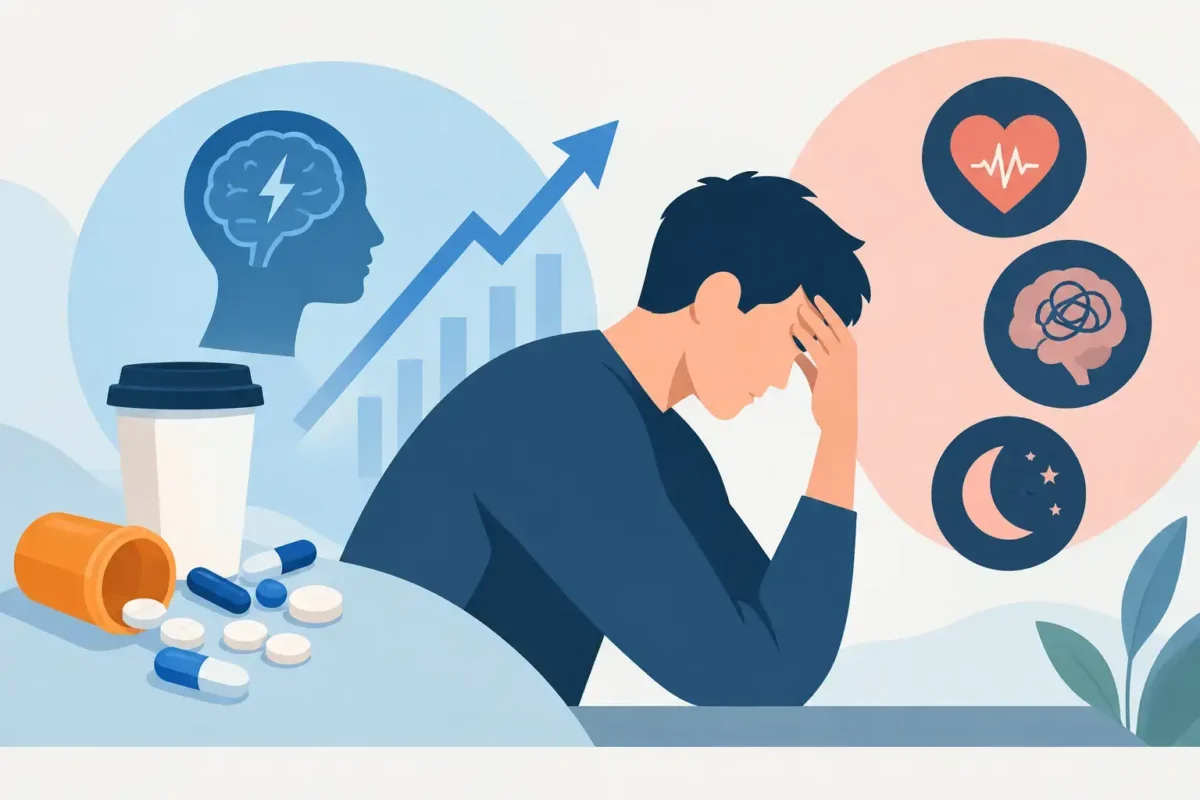
A stimulant does not have to be illegal to be misused. A prescription tablet taken without medical direction, a powder with unknown strength, or repeated use to stay awake can all place serious strain on the heart, brain, and nervous system. Current stimulant misuse trends show a growing overlap between prescription misuse, unregulated products, counterfeit pills, and combinations with other substances.
For adults who encounter stimulant-related products, the key issue is not just the name on a label. Potency, dose accuracy, frequency of use, health history, and whether other drugs are involved can completely change the risk. A product that appears familiar may still be contaminated, mislabeled, or far stronger than expected.
What Is Driving Stimulant Misuse Trends?
Stimulants include prescription medicines used for conditions such as ADHD, wakefulness disorders, and certain weight-management needs. They also include illicit substances and stimulant-like compounds sold through unregulated channels. Misuse occurs when someone takes a drug without a prescription, takes more than directed, uses it for a nonmedical purpose, or uses a product with no reliable dosing or quality controls.
One persistent driver is performance pressure. Some people misuse stimulants to study longer, work overnight shifts, suppress appetite, or push through fatigue. The short-term effects can seem useful: alertness, confidence, less need for sleep, and a temporary feeling of energy. That apparent benefit can hide the cost. Sleep loss, anxiety, irritability, elevated blood pressure, and escalating use often follow.
Access also matters. Prescription diversion remains a concern when medication is shared, sold, or taken from someone else’s supply. At the same time, online marketplaces and informal private sales can make unknown powders, tablets, and chemical products appear easy to obtain. Availability is not evidence of legality, purity, or safety.
A further concern is counterfeit medication. A pill that looks like a familiar prescription stimulant may contain a different substance, a much higher dose, or dangerous adulterants. Visual appearance is not a reliable test of identity or strength. This is especially dangerous for people who assume a tablet is pharmaceutical-grade because of its color, imprint, packaging, or advertised origin.
Higher Potency and Uncertain Strength
A defining feature of recent stimulant misuse trends is uncertainty. Unregulated stimulant powders and pressed tablets may have uneven distribution of active ingredients. Even when a compound is present, the amount per serving can vary substantially from one batch to another.
That uncertainty raises overdose risk because people often base their decisions on previous experience. A person may take what they believe is a familiar amount and experience severe symptoms because the material is stronger than expected. Re-dosing is another common problem. Stimulants can create a strong urge to take more before the full cardiovascular and psychiatric effects are clear.
Mixing substances makes this picture more dangerous. Combining stimulants with alcohol can mask perceived intoxication, encouraging more drinking or more stimulant use. Combining stimulants with opioids can create unpredictable stress on breathing and circulation. Adding other stimulating compounds, including high doses of caffeine or certain decongestants, can increase heart rate, blood pressure, agitation, and overheating.
Individual risk varies widely. A dose tolerated by one person may cause an emergency for another, particularly when there is a history of high blood pressure, heart disease, panic disorder, bipolar disorder, seizures, or substance use disorder. Pregnancy, dehydration, sleep deprivation, and intense physical activity can also increase harm.
The Shift From Occasional Use to Repeated Use
Not every case of misuse looks dramatic at first. Some people begin with occasional use for a deadline, a workout, a night shift, or weight control. Repeated use can gradually become a pattern centered on avoiding fatigue, low mood, or the crash that follows a stimulant high.
Tolerance can develop, meaning the original amount produces less noticeable effect. This can lead people to increase the dose or use more often. Dependence may follow, with withdrawal symptoms such as exhaustion, increased sleep, depressed mood, slowed thinking, intense hunger, and cravings when use stops.
Stimulant use can also reshape daily routines. Sleep becomes irregular, meals are skipped, social behavior changes, and responsibilities are neglected. Financial pressure may increase if use becomes frequent. These signs deserve attention even when someone insists they are still functioning at work or school.
Behavioral and Physical Warning Signs
No single sign proves stimulant misuse, but a pattern can be revealing. Warning signs may include staying awake for long periods, unexplained weight loss, restlessness, jaw clenching, sweating, rapid speech, suspiciousness, mood swings, or repeated requests for early refills. People may also become secretive about medications, spending, messages, or periods of absence.
More serious symptoms require urgent action. Chest pain, trouble breathing, fainting, seizures, severe headache, extreme agitation, confusion, hallucinations, or a very fast or irregular heartbeat can signal a medical emergency. Call 911 immediately for severe symptoms. Do not leave the person alone, and do not assume they can simply sleep it off.
Why Mixed Use Creates More Risk
Many people do not think of caffeine, alcohol, nicotine, prescription medication, cold remedies, and illicit drugs as part of the same risk equation. Clinically, the combination matters. A person may take a stimulant while also using an antidepressant, a decongestant, an asthma medicine, or a pre-workout product containing multiple stimulants.
Interactions are not always obvious. Some combinations can increase blood pressure or body temperature. Others may worsen anxiety, cause abnormal heart rhythms, or contribute to serotonin-related toxicity. Alcohol can make a person feel less impaired than they are, while sedating drugs may obscure the early signs of a stimulant-related crisis.
The practical standard is simple: do not combine stimulant products or use someone else’s medication. Anyone prescribed a stimulant should discuss all medications, supplements, and substance use honestly with a qualified clinician or pharmacist. That conversation is about safety, not judgment.
A More Useful Response Than Shame
Fear and shame can delay treatment. Someone who is worried about losing a prescription, a job, privacy, or control may hide their use until a crisis occurs. A direct, calm response is more effective than accusation.
If you are concerned about your own use, start by speaking with a healthcare professional, addiction counselor, or local treatment provider. Be specific about what was taken, how often, the amount if known, and whether alcohol, opioids, or other drugs were involved. Accurate information helps clinicians assess withdrawal risk, heart risks, sleep disruption, and mental health concerns.
For a friend or family member, choose a calm moment and describe observable changes rather than making broad claims. Saying, “I noticed you have not slept much and you seem more anxious lately,” is more likely to open a conversation than labeling someone. If there is immediate danger, prioritize emergency care over debate.
Reducing Risk Starts With Reliable Information
The safest option is to use stimulant medication only as prescribed and to avoid nonmedical or unregulated products altogether. Store prescribed medication securely, never share it, and dispose of unused medication through appropriate local options. These basic steps reduce diversion and protect other people in the household.
People already using stimulants should avoid driving or operating machinery if they are sleep-deprived, agitated, or experiencing a crash. They should also avoid attempting to manage severe symptoms alone. Hydration, food, and rest may support general recovery, but they do not replace medical evaluation when chest symptoms, confusion, severe anxiety, or prolonged insomnia are present.
Stimulant misuse is not a character failure. It is a health and safety issue shaped by access, stress, misinformation, and the powerful effects of these substances. Acting early, before a pattern becomes an emergency, gives people the best chance to protect their health and regain stability.
